

In early 2016, the U.S.’s largest automaker spent $1 billion on a San Francisco autonomous driving technology startup, something the automaker called a vital step toward “rapidly commercializing” the self-driving car.
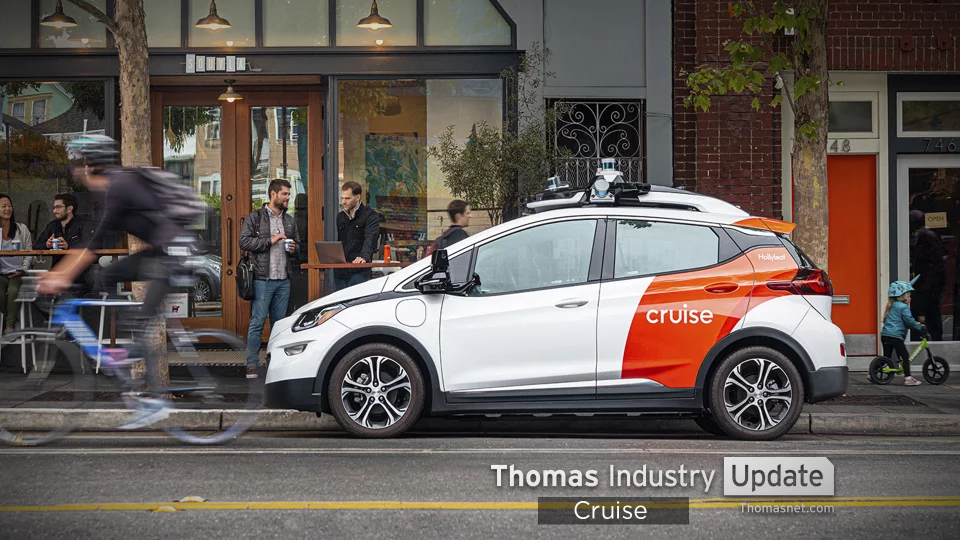
Nearly six years later, General Motors’ Cruise subsidiary has officially launched a robotic taxi service — although it still, technically, has yet to actually commercialize it.
Cruise began shuttling employees around its native city in autonomous taxis late last year and opened the service to the general public as of Feb. 1.
Because the company is still waiting on approval from California regulators, Bloomberg reports that it can’t yet charge fares for its rides. For the time being, the company set up a waiting list for people interested in a free robo-taxi ride through the streets of San Francisco.
The move, however, is more than simply a symbolic step that further validates the company’s technology: opening a public autonomous rideshare service reportedly triggers another round of funding from the venture investment arm of Japanese tech giant SoftBank. The fund gave $900 million to cruise in 2018 and is now on the hook for another $1.35 billion.
Cruise officials said a small number of robo-taxis are in service initially, but that those numbers will grow as more of its vehicles are deployed.
Riders in the Bay Area, meanwhile, will have the distinction of being the first consumers in the country to face competition among self-driving car services: Waymo, the Google spinoff that launched its own driverless taxis in Phoenix in 2020, expanded to San Francisco last spring.
Image Credit: Cruise
Source: www.thomasnet.com