

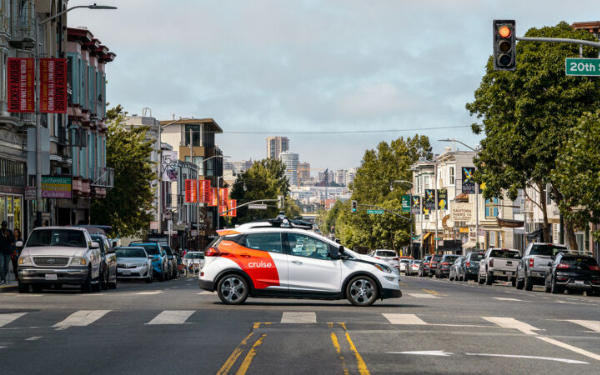
Waymo is suing the California Department of Motor Vehicles to prevent the release of autonomous vehicle collision data. This data, which is held by Google parent firm Alphabet, is deemed a trade secret by the autonomous car operator. The Los Angeles Times was the first to break the storey of the lawsuit.
It is the most extensive autonomous vehicle testing programme in America, with more than 60 businesses allowed to run test cars on public roads by California’s Department of Motor Vehicles. Autonomous cars can only be operated by a select few, and even fewer have been granted permission to be used for commercial reasons without safety drivers.
Certain autonomous car situations are being handled by Waymo in a manner that is being kept hidden by the company.
Autonomous car crises, how Waymo reacts when its vehicles attempted to go someplace they are not supposed to, and the how Waymo vehicles manage steep slopes and tight turns are among the sensitive information Waymo is trying to keep secret. San Francisco’s downtown has been designated as a test area for Waymo’s autonomous vehicles, which are authorised to run without safety drivers.
Claims that exposing this material to the public would harm Waymo’s competitive position were made in Sacramento County Superior Court last week.
When it comes to analysing accidents, Waymo claims that making the method public might provide “strategic intelligence to Waymo rivals and other parties” about how Waymo assesses such incidents from many viewpoints, including possible technology repair.
A “chilling impact” on the autonomous car business might also be a result of this. Those that are interested in creating autonomous cars in California will be discouraged from doing so if their trade secrets have a proven track record of being leaked, Waymo believes.
An anonymous entity contacted the DMV and requested public documents, prompting this legal action.
An undisclosed third party sought information from the DMV about Waymo’s application for a permit to run autonomous vehicles on public roads. That’s when the lawsuit arose. The DMV permitted Waymo to redact certain information before it agreed to cooperate with the request. As a result, the DMV informed Waymo that it should seek an injunction via a lawsuit in order to prevent this person from contesting the redaction of his or her information.
“Every autonomous vehicle company has an obligation to demonstrate the safety of its technology, which is why we’ve transparently and consistently shared data on our safety readiness with the public,” Nicholas Smith, a spokesperson for Waymo, said in a statement. “We will continue to work with the DMV to determine what is appropriate for us to share publicly and hope to find a resolution soon.”
The Department of Motor Vehicles (DMV) refused to discuss “current litigation.”
Human safety drivers are needed to take control of autonomous cars on a regular basis (also known as a “disengagement”), and firms operating these vehicles in California are obliged to report this information to the DMV each year. In general, firms have been sceptical of this procedure, calling the reports as a false and ultimately pointless method of tracking the progress of AV testing in the state.
Most AV businesses keep critical metrics under wraps and only show off their equipment in the most controlled situations, making them a virtual black box of data.
However, Waymo has shown a greater willingness to share data than other AV firms, albeit on its own terms. In 2020, the business revealed 6.1 million miles of driving data from its Arizona test fleet, including 18 incidents and 29 near-miss events, between 2019 and 2020. It has recently been shown that Waymo’s cars might have prevented dozens of deadly collisions in Arizona over almost a decade if they had been used.
Source: bestgamingpro.com