

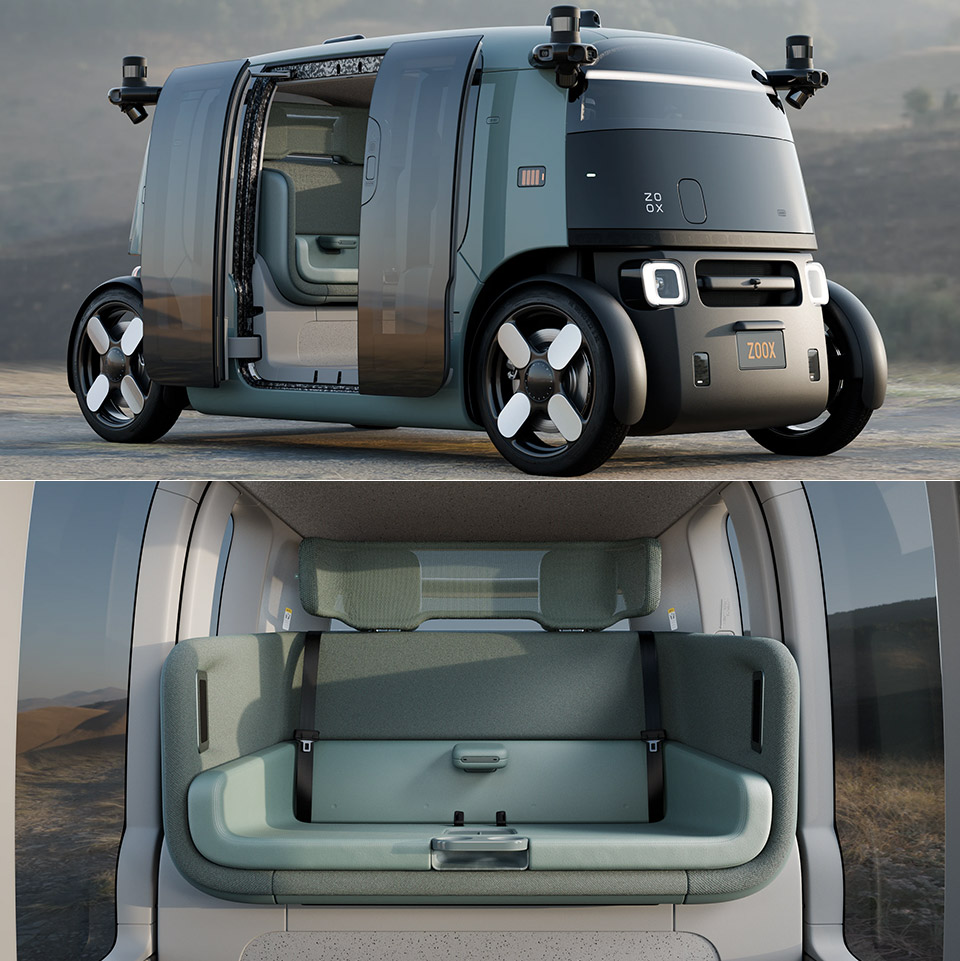
Zoox just released a new version of their autonomous robotaxi, and the vehicle retains its original no-nonsense purpose-built design, but with a few important modifications derived directly from real-world experience on the streets of Las Vegas, San Francisco, Austin, and Miami. More than half a million cyclists had already completed the route, and they had clearly made their stamp on the most recent round of changes.

The basic layout stays same; you still have the familiar boxy shape that allows you to move forward or in reverse. That design allows the large sliding doors to swing wide open on both sides, resulting in a perfectly symmetrical and comfortable cabin within. That cabin can accommodate four people, with two pairs of seats facing inwards, allowing you to either converse with your fellow passengers or relax on your own for a while.
Inside, you’ll see that the color scheme has lightened slightly, with the seats now a soft green and the floor and trim a subtle grey. It all gives the car a relaxed atmosphere and is intended to assist people remember things that would otherwise slip their memory. They’ve added extra cushioning and softer edges to the seats and headrests to make them more comfortable on all of the twists and turns, all in response to rider comments on how to make the car more comfortable for longer excursions.
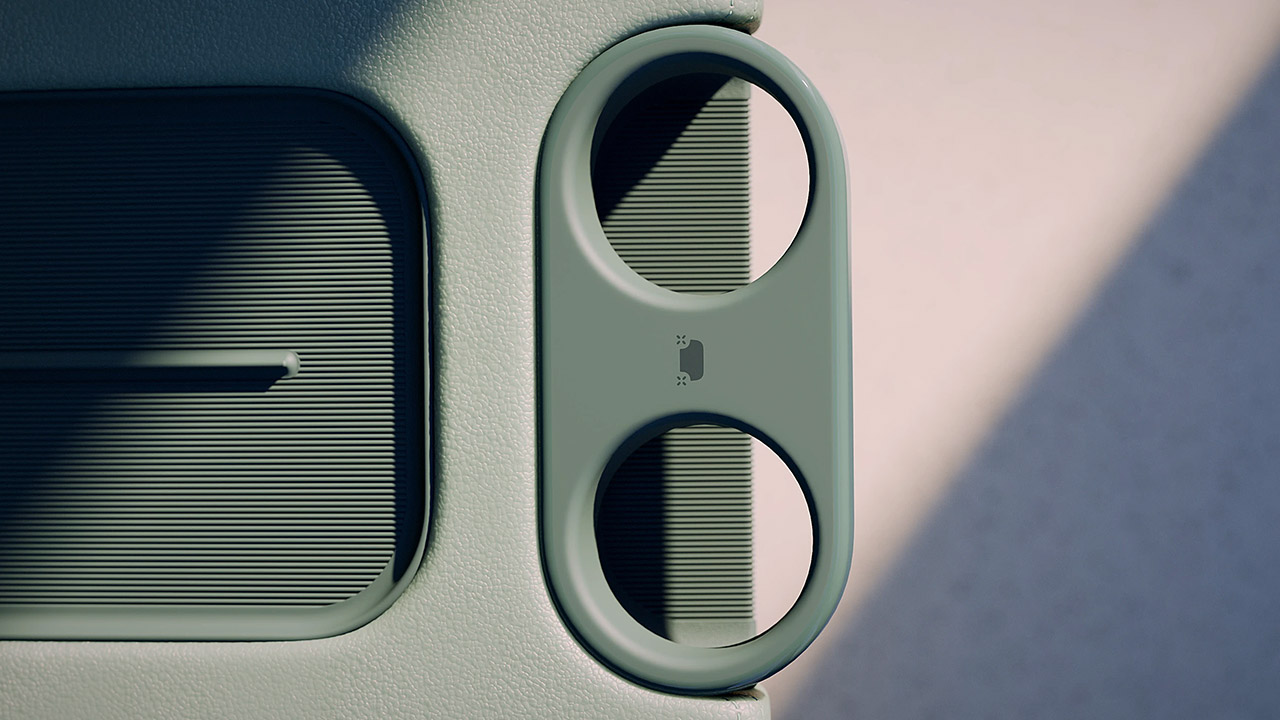
Daily use has now become easier, with much larger cupholders to keep your drink from dripping everywhere. They’ve also added microscopic ridges to the phone tray to prevent your phone from sliding around when you’re on the road. The screen is also considerably brighter now, allowing you to swiftly glance over and see all of your flight information.

Outside, the reflectors have been updated, changing color to indicate which end of the car is in front. Handy for bikers, pedestrians, and emergency personnel who may need to know which direction your car is facing, plus they’ve added a mic and speaker to the door area so you can have a clearer conversation with anyone who needs to communicate with you when you stop.
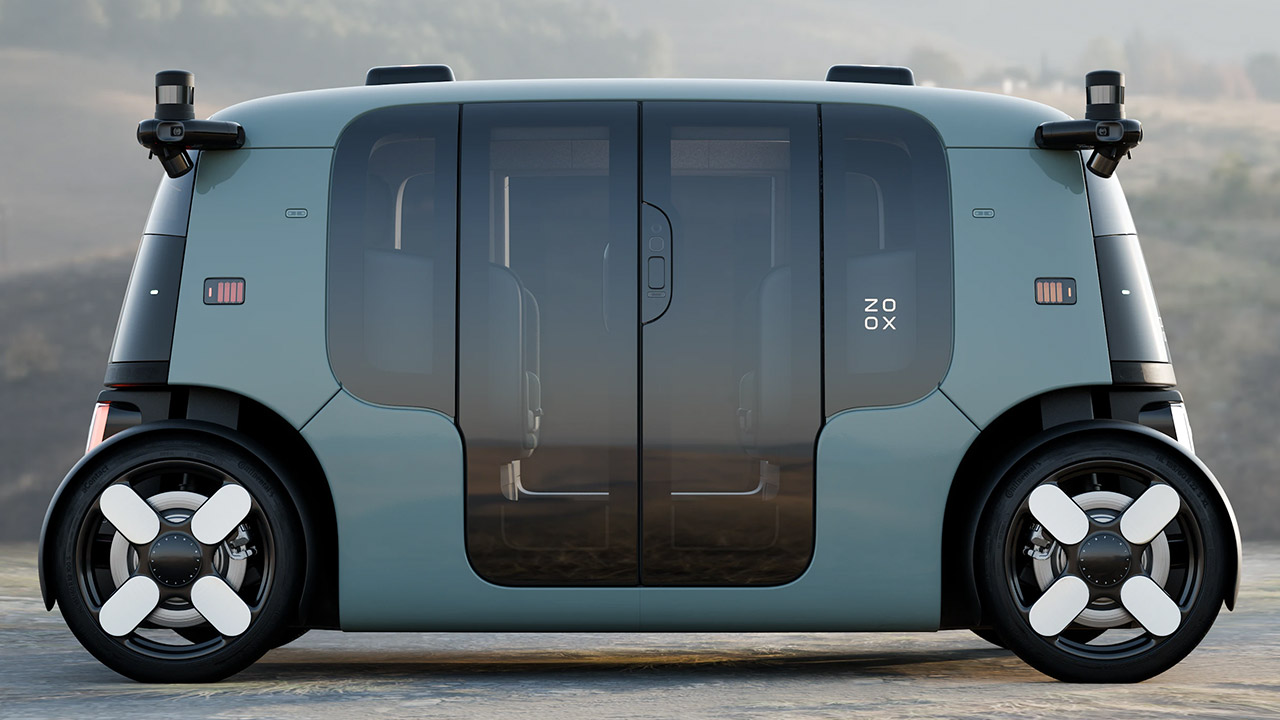
However, the core technology remains unchanged, since all of the cameras, sensors, and other devices continue to provide a detailed picture of what is going on around you. Four-wheel steering is still beneficial for maneuvering through tight city streets, and the maximum speed remains around 75 mph, with the cabin seating up to four passengers as before.
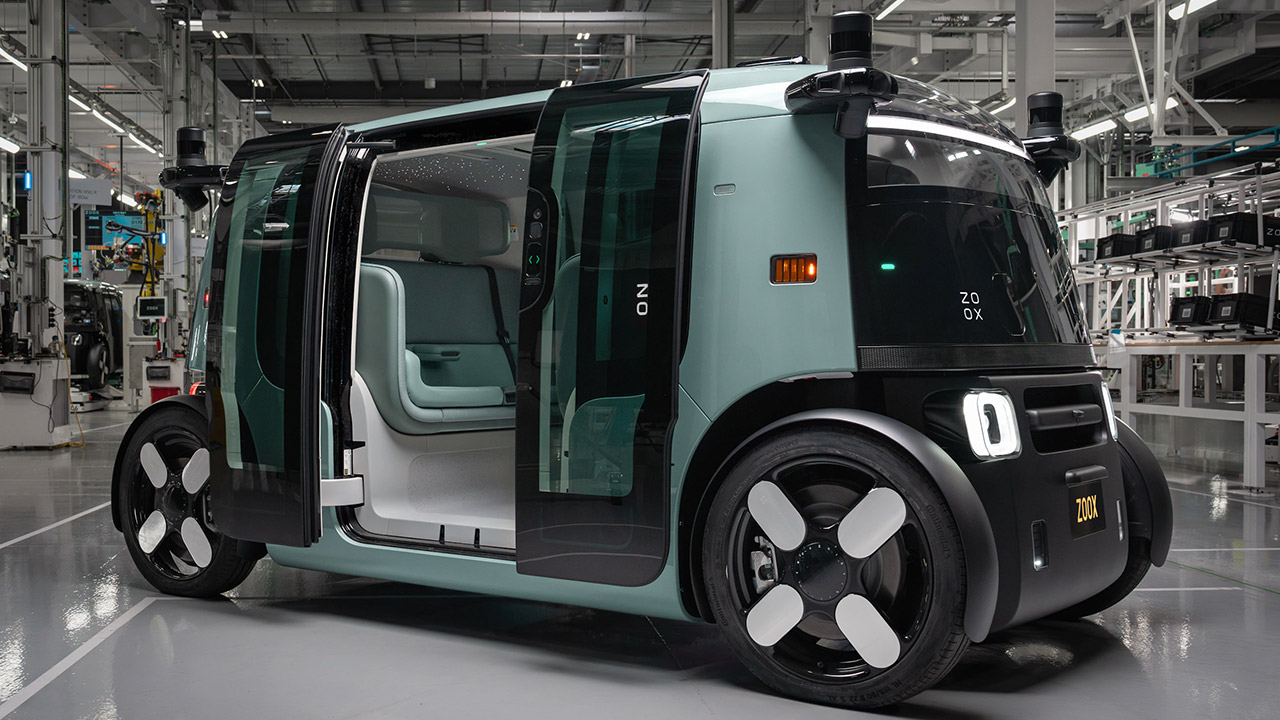
Now, the primary focus is on getting this thing ready for production. The final design is complete, and they will produce 100 automobiles per week at the Hayward factory in California. If they keep up that pace, they should be able to produce around 10,000 units per year. The first replacement cars will arrive in existing fleets later this year, once all formalities (government approval) have been completed.