 Moderation Team
As connected vehicles become increasingly sophisticated, many motorists assume that built-in tracking technology can help recover a stolen vehicle quickly. However, Thatcham Research has warned there is a “genuine and growing” gap between consumer expectations and the reality of what connected car services can actually deliver.
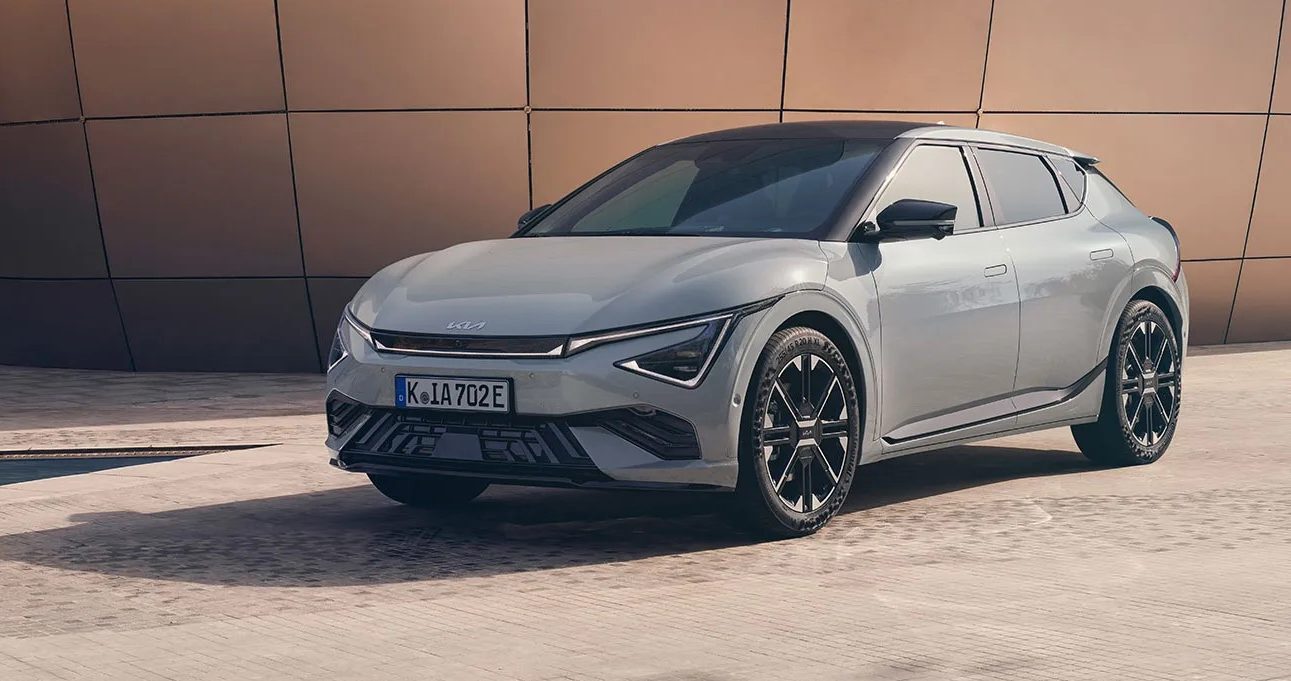
The warning follows the widely reported case of technology analyst Ian Fogg, whose Kia EV6 was stolen from outside his home while he was abroad. Although Kia was able to determine the vehicle’s location through its Kia Connect service, repeated delays in sharing that information meant the car ultimately disappeared and was later traced to Lithuania.
The incident has reignited debate about whether connected vehicle services are keeping pace with customer expectations, and whether legal, technical and regulatory barriers are preventing manufacturers from doing more to help recover stolen vehicles. This is not just a Kia issue, but a connectivity and legal issue that all OEMs face.
Many drivers mistakenly believe that connected vehicle apps function like dedicated stolen vehicle recovery systems. In reality, services such as Kia Connect are primarily designed to provide convenience features including vehicle status, remote climate control, charging information and location services.
Kia stressed that its connectivity platform is not intended to operate as a real-time stolen vehicle tracking service.
A spokesperson said: “The connectivity features available in Kia vehicles are intended to enhance customer convenience and are not designed as a vehicle tracking system. Accordingly, they do not provide real-time tracking capabilities for stolen vehicles.”
This distinction is significant. Unlike specialist tracking providers that actively monitor stolen vehicles and liaise directly with police, most manufacturer-connected services rely on customer support processes rather than dedicated theft response teams.
In Fogg’s case, he said Kia’s customer service was only accessible through online support tickets. According to his account, location updates often arrived many hours after the vehicle had already moved, leaving police unable to intercept it.
Ian Fogg has been highly critical of both the vehicle’s theft protection and the manufacturer’s response.
He described Kia as having been “extremely slow to respond” and said he found the experience “shocking”.
Drawing comparisons with smartphones, Fogg argued that modern cars already contain many of the same technologies—including mobile connectivity, GPS, wireless communications and over-the-air software updates—but manufacturers have not adopted the same anti-theft protections that consumers now expect from mobile devices.
He has called for stronger security measures, including password protection to prevent criminals disconnecting owners from vehicle apps, dedicated theft hotlines and improved remote recovery capabilities.
One of the biggest barriers is data protection legislation.
Manufacturers hold highly sensitive location data relating to both vehicles and their users. Under the UK General Data Protection Regulation (UK GDPR) and the Data Protection Act 2018, companies must have a lawful basis before processing or sharing personal location information.
Although preventing crime can provide such a lawful basis in certain circumstances, manufacturers generally cannot simply release continuous tracking information to vehicle owners or third parties whenever requested. Instead, information is typically shared only with law enforcement following appropriate verification and internal procedures.
There is also the practical challenge that, once a vehicle has been stolen, manufacturers cannot always determine who is actually in possession of the vehicle. Providing unrestricted real-time tracking or remote vehicle controls could create significant legal and safety liabilities if the wrong person gained access.
Consequently, manufacturers have developed cautious processes that balance customer privacy, legal compliance and operational risk, but these safeguards can slow the response during a theft.
Industry experts argue that the technology to improve recovery already exists.
Andrew Till, a vehicle security expert at Trustonic, said manufacturers could progressively restrict a stolen vehicle’s functionality, eventually preventing it from restarting once switched off.
“Consumers pay the price for a lack of focus on resolving these issues,” he said, adding that the industry has yet to implement the technology as a complete recovery solution.
Vehicle crime consultant Ken German also highlighted the difference between connected car apps and professionally monitored tracking systems.
He said: “Some tracking devices – those with company back-up – are posting 90 per cent-plus recovery rates in the UK and can be extremely effective in locating stolen vehicles.”
Thatcham Research believes the Fogg case demonstrates a widening disconnect between what consumers assume their connected car can do and what manufacturers actually provide.
The organisation said there is a “genuine and growing” gap between expectation and technological reality.
As connected car technology continues to evolve, customers increasingly expect instant tracking, rapid police support and smartphone-style security features. Yet legal responsibilities, data protection requirements, customer privacy considerations and the absence of dedicated theft recovery infrastructure mean most manufacturer apps remain convenience services rather than comprehensive stolen vehicle recovery solutions.
The case is likely to increase pressure on vehicle manufacturers to introduce stronger security features, clearer customer communication and closer collaboration with law enforcement. Without those changes, the gap identified by Thatcham Research may continue to grow as connected vehicles become more capable—but not necessarily more recoverable.
Cubic³’s Chief Corporate Officer Dave Kelly, commented: “Cars are more connected than ever, but stories like Ian’s expose that ‘connected’ doesn’t always mean recoverable. We’ve all got used to smartphone-level tracking. Lose your phone, lose your AirTag, and you can watch it move across a map in real time. So it feels strange that a car, something worth fifty times more, can’t offer the same peace of mind. The tech to locate a stolen car already exists. The hold up is everything around it: privacy law, enforcement red tape, and rules that shift the moment a car crosses a border.
“Nowadays, drivers expect their car to behave like their phone does. The industry needs to catch up to that expectation and further build the frameworks that back it up.”

GIPHY App Key not set. Please check settings