

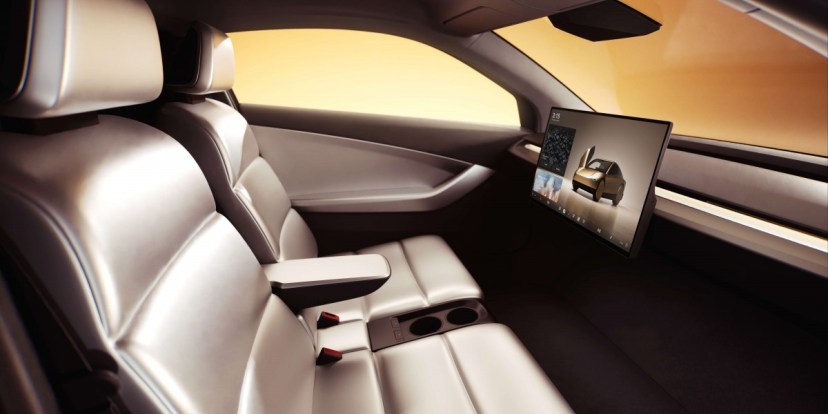
Developers of electric cars and autonomous systems can’t seem to agree on how driverless vehicles should see the world. Tesla stands on one side of this debate, betting billions of dollars that digital cameras and artificial intelligence can fully replace human eyes. Almost every other major competitor chooses a different path, combining cameras with active radar and laser-based sensors. Tired of this squabble, lawmakers in New Jersey want to settle this engineering debate by turning sensor requirements into state law.
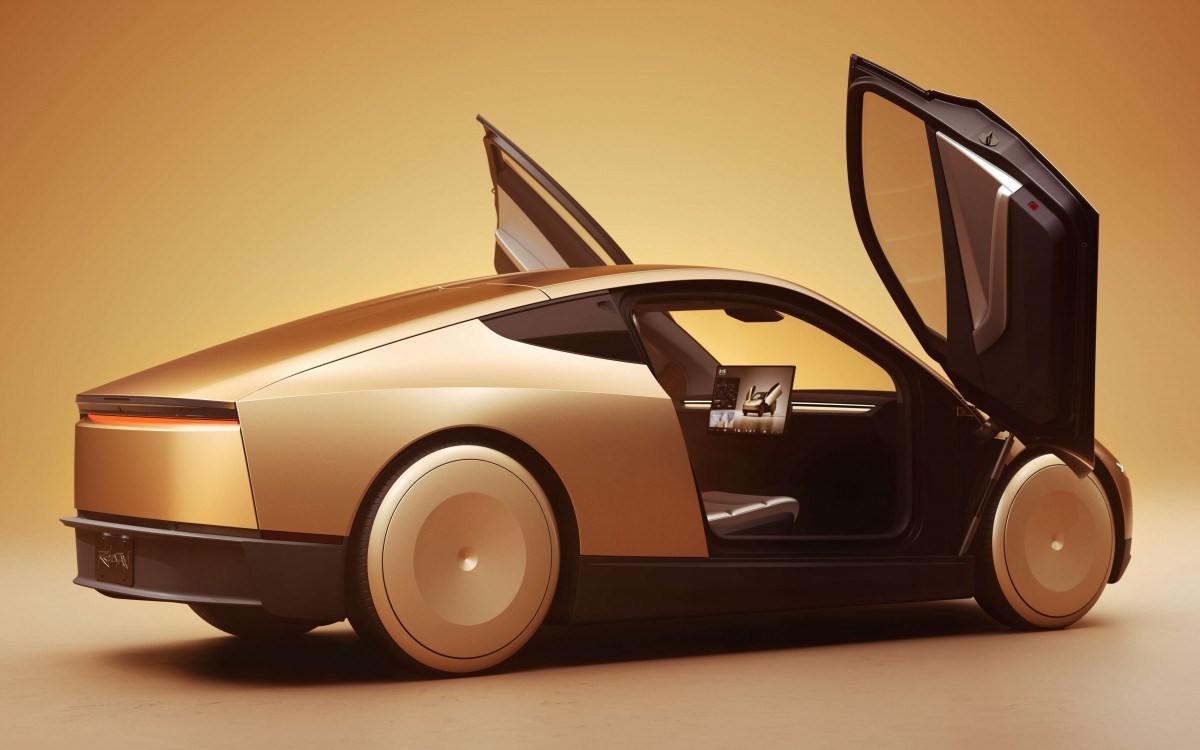
The proposed New Jersey bill introduces strict technical requirements for any company that wants to operate driverless commercial services. If lawmakers enact the bill later this year, operators must fit their driverless vehicles with cameras plus two additional types of sensing technology. This rule would create a major roadblock for the Tesla Robotaxi. Tesla builds its autonomous systems around a camera-only setup, meaning it won’t be able to legally run its Cybercab in New Jersey unless it changes the vehicle’s hardware. To make things even worse, neighboring New York is considering a nearly identical hardware mandate.
Democratic State Senator Andrew Zwicker, a physicist who sponsored the bill, insists the law is intended to protect the public rather than target a specific manufacturer. Zwicker decided to draft the legislation after riding in a Waymo vehicle in Phoenix, Arizona. He says that he appreciates how driverless systems can reduce traffic fatalities and expand transport access, but he argues that the technology needs careful oversight. New Jersey holds the title of the most densely populated US state, making safety a sensitive local issue. Zwicker believes data does not support the idea that a single sensor type paired with software can handle complex road situations safely.
To ensure safety, the proposed framework establishes a three-year pilot program. Companies must complete at least 50,000 miles of supervised testing with a human safety driver behind the wheel before they can remove the driver entirely. Every smallest crash has to be reported to the state, and the company has to get official authorization before launching any driverless commercial networks. These strict steps mimic recommendations from SAVE-US, a nonprofit organization pushing for tight regulatory oversight on autonomous electric cars.
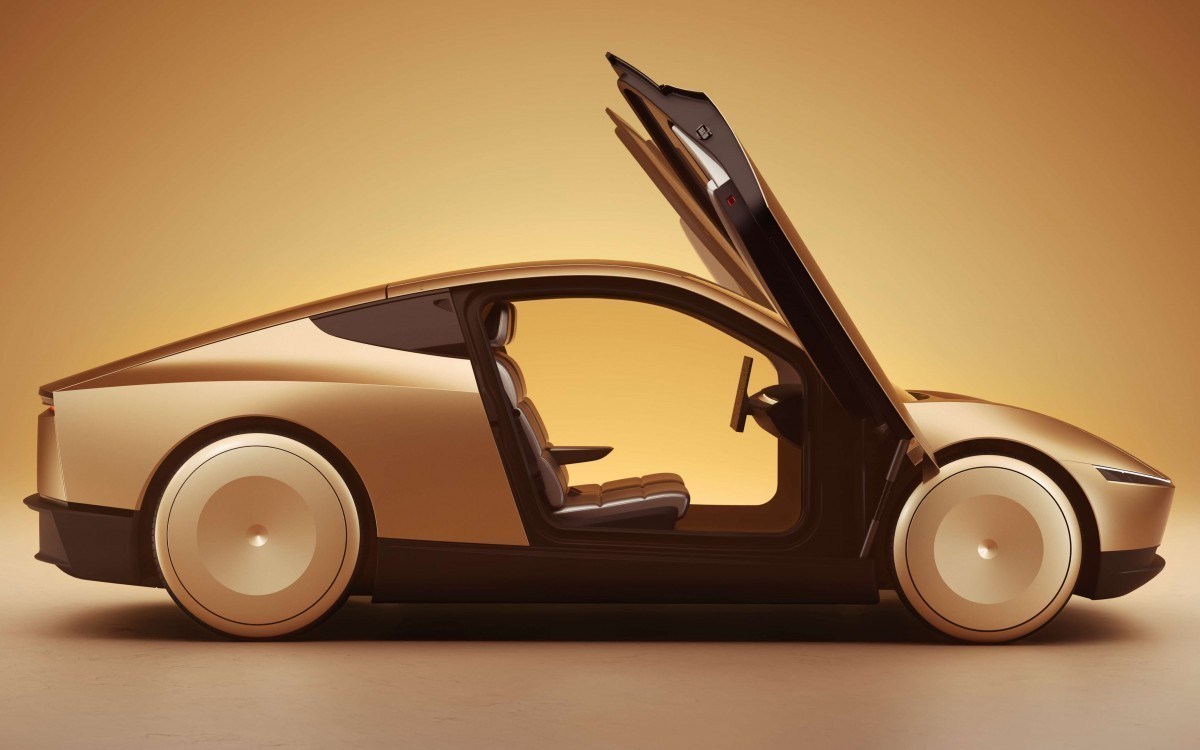

The whole argument centers on how different hardware interprets driving environments. Most autonomous vehicle developers use three tools: cameras, radar, and Lidar. Cameras provide detailed color images, allowing systems to read road signs and lane markings, but glare and heavy rain can blind them. That’s where radar comes in – it tracks the distance and speed of objects by using radio waves, which easily cut through fog and rain. Finally, Lidar uses rotating lasers to build a precise three-dimensional map of the surroundings. Blending these three inputs helps brands like Waymo and Zoox to create a safety net of overlapping data.
Tesla CEO Elon Musk rejects this multi-sensor approach, claiming that adding multiple sensor types reduces overall safety because different sensors can provide conflicting data to the driving computer. He also points out that humans drive using vision alone, meaning advanced computer software should eventually do the same. Removing radar and Lidar from production helps Tesla reduce manufacturing expenses, and lower costs make it much easier for Tesla to build affordable electric cars and scale up its fleet. Critics like Carnegie Mellon engineering professor Philip Koopman argue that camera-only technology is simply not ready for around-the-clock public road use in challenging climates.
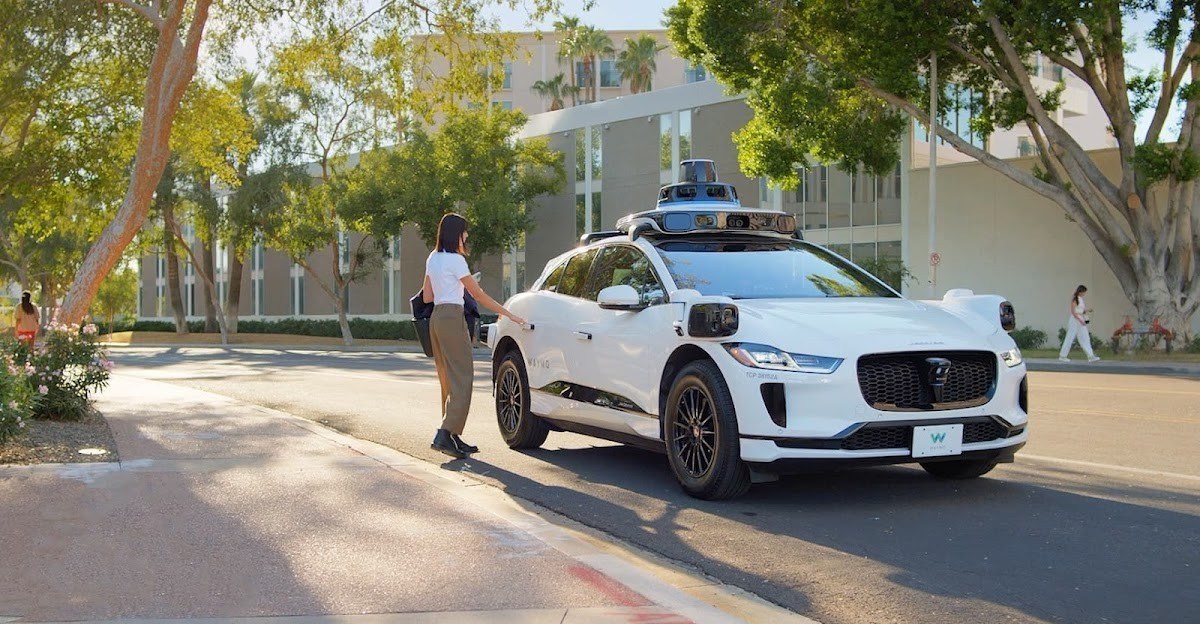

The actual numbers reveal a stark contrast between Tesla’s goals and the state of the industry. Alphabet’s Waymo operates more than 3,500 driverless vehicles across 11 major United States metropolitan areas, but Tesla only has a handful of unsupervised test vehicles on public roads, mainly in Texas. Musk did promise that hundreds of thousands of autonomous Tesla EVs would hit public roads by the end of 2026, but this milestone is far out of reach. Professor Koopman notes that operating a small test fleet hides engineering flaws. When a fleet grows from 100 vehicles to 10,000 vehicles, rare and hazardous road anomalies happen much more frequently.
Koopman also prefers rules that keep traditional controls like steering wheels and pedals. This requirement would exclude models like the Tesla Cybercab, which has no physical controls, making it difficult for emergency workers to move a stuck car. Shua Sanchez, the national campaign director for SAVE-US, agrees that tracking physical hardware is a vital safeguard.
Tesla has fought back against the New Jersey bill through intense local lobbying. The company sent messages directly to local vehicle owners, warning them that the legislation would ban Tesla from the state market. This message prompted owners to flood Senator Zwicker’s office with roughly 4,000 protest emails in a single day. Many owners feared the state would disable their standard driver-assistance features. Zwicker clarified that the law only targets fully driverless commercial fleets. It does not affect consumer-facing safety features like Autopilot or Full Self-Driving, which still need a licensed driver to monitor the vehicle.
All this squabbling reveals a huge gap in how governments manage automated EVs. The United States Congress has been debating for years about national guidelines – still no legal framework in sight. As a result, individual states have created a messy patchwork of their own regulations. California needs detailed safety reports and strict testing permits, but states like Texas, Arizona, and Georgia let companies to self-certify their vehicles with minimal oversight. New Jersey’s hardware mandate is a new shift – it focuses on how factories build the cars rather than just how the vehicles behave on the road.