

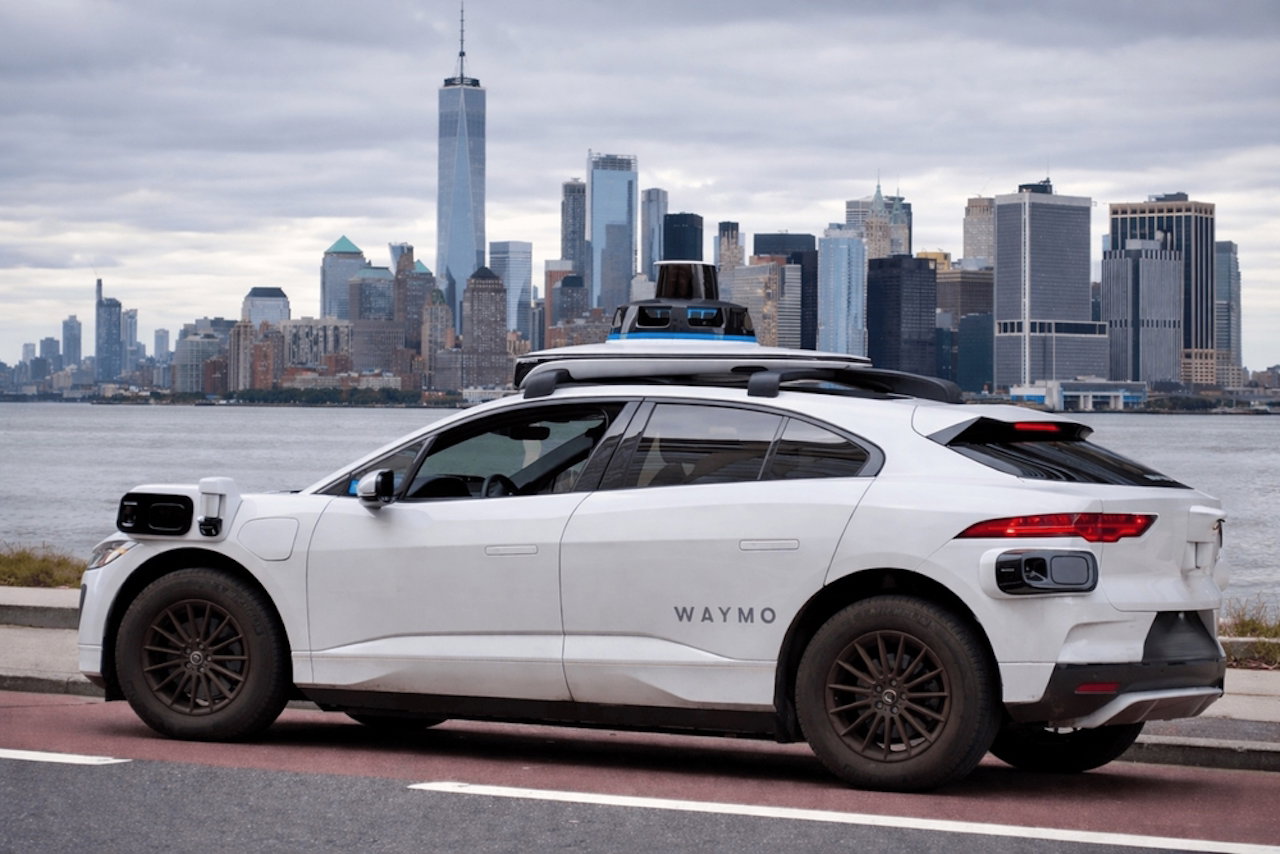
Robotaxis could soon be driving on Spanish roads
Credit: Shutterstock, The Global Guy
The arrival of autonomous vehicles is being promoted as a step towards a more efficient, technology-driven transport system. Companies involved in the sector argue that robotaxis could reduce operating costs, improve vehicle utilisation, and offer passengers lower fares. However, the financial impact of replacing human drivers with automated systems could be significant, particularly in a country where taxi and private hire services provide income for tens of thousands of workers.
The problem with robotaxis
In the United States, autonomous vehicles are already up and running. Alphabet-owned Waymo has quickly become the leading robotaxi company in the US, but its rollout has not been without issues.
Passengers have shared accounts of taxis driving erratically, running red lights, and stopping on train tracks and in the middle of busy intersections. In one incident, a robotaxi responded to police sirens by speeding off, leaving passengers bewildered in the backseat. As a result, thousands of vehicles have been recalled, and several lawsuits are pending.
One seemingly overlooked flaw is that robotaxis can’t close their own door. To fix this inconvenience, companies are paying food delivery drivers to close the doors for them. One driver was reportedly paid €9.74, while another was offered up to €20 to do so.
How robotaxis could affect Spain’s economy
But while delivery drivers are getting paid to close doors, what about taxi drivers? Driving is one of the largest employment categories in many counties, with a relatively low barrier of entry. As of March 2026, 62,406 taxi licences and 24,764 VTC licenses were registered in Spain.
Many taxi operators are small business owners who spend their earnings within their communities, from vehicle maintenance and insurance to restaurants, housing, and local services. A shift towards large technology companies controlling transport fleets could redirect a significant share of that money away from local economies.
At the same time, robotaxis may create new opportunities in areas such as fleet management, software development, vehicle maintenance, and autonomous technology services. The challenge for Spain will be ensuring that the benefits of automation are distributed while limiting disruption for workers whose livelihoods depend on driving.
Madrid’s autonomous taxi future and the cost of innovation
European regulators are increasingly looking at ways to support autonomous vehicle development while maintaining safety standards. Companies such as Uber and its autonomous partners are preparing launches in Madrid, following trials and regulatory progress across Europe.
For passengers, robotaxis could eventually mean cheaper journeys and greater availability, especially during busy periods when traditional taxis are in high demand. However, lower prices may come at the cost of reducing one of the most accessible employment routes in the transport sector.
The question facing Spain is not simply whether robotaxis can drive safely, but whether the economic model behind them can work for everyone. As autonomous vehicles move closer to becoming part of everyday life, policymakers will need to consider how innovation, employment, and local economies can coexist.