 Moderation Team
Summary: Tesla Inc. has officially launched its robotaxi app for the general public, moving beyond initial early access users in Austin, Texas. The app, previously limited to select investors and influencers, now allows users to join a waiting list via the Apple app store. This public release aligns with CEO Elon Musk’s September prediction. Tesla aims to expand its service, currently operating a non-autonomous version in the Bay Area, amid growing scrutiny over safety and regulatory challenges. Users must adhere to a “good conduct policy,” and the company plans further expansions in Arizona, Florida, and Nevada, pending permits.
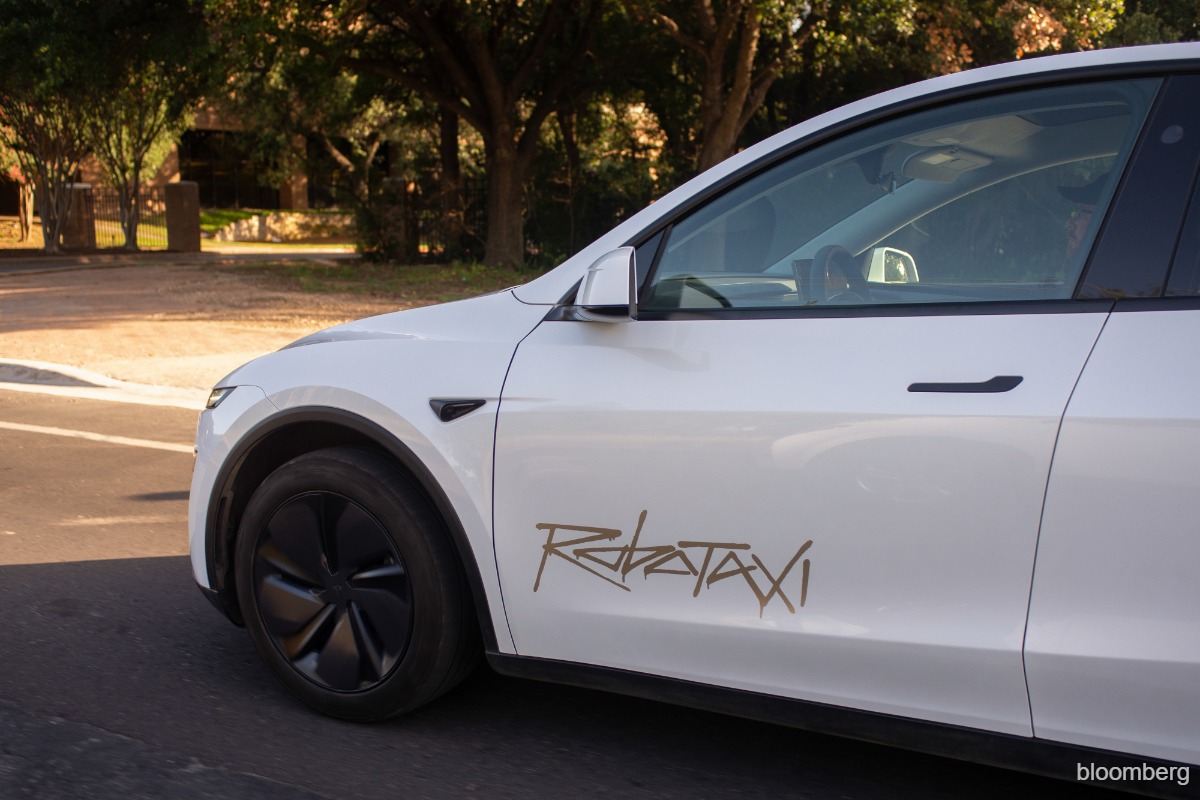
(Sept 4): Tesla Inc said it has opened its robotaxi app to the general public, suggesting the company will soon roll out the service beyond a select group of early access users in Austin, Texas.
The company’s Tesla Robotaxi account on social media site X announced the ride-share app is “now available to all” in a post late on Wednesday. Until now the service has largely been open to investors and social media influencers.
The post linked to the application in Apple’s app store, noting users can download it to join the waiting list. The public launch is in line with Tesla chief executive officer Elon Musk’s prediction that the app would be available to the public in September.
Investors have been watching closely to see how quickly the company can scale its long-awaited robotaxi service in Austin and other locations, as Musk and Tesla increasingly bet on autonomy and artificial intelligence. Tesla launched the service in June in Austin to a small group, using about 10 to 20 Model Y sport utility vehicles, and has since expanded to offer a non-autonomous ride-share service in the Bay Area under the same name.
It wasn’t immediately clear if users will be able to access the service in both Austin and the Bay Area, but the terms of service in the app lays out particular terms for California users.
Tesla also laid out what it called a “good conduct policy”, asking users to agree to terms including “behave like your mom is watching” and “be clean”. People must be 18 to ride unaccompanied and no one under 13 can ride in the vehicles, it added.
Regulatory hurdles
Tesla is the second autonomous ride-share service currently active in Austin, joining Waymo, which operates in partnership with Uber Technologies Inc. The region is a testbed for autonomous vehicle activity for companies including Volkswagen ADMT, Avride and Zoox.
During Tesla’s July investor call, Musk said the company was eyeing Arizona, Florida and Nevada for future expansions. Tesla has already applied for testing and deployment permits in Arizona and had early talks with officials in Nevada. Still, it faces varying regulatory hurdles in different states, and will need federal exceptions before it can introduce its purpose-built Cybercab with no pedals or steering wheel.
The US National Highway Traffic Safety Administration said in June that it was looking into incidents caught on film by early access users showing vehicles speeding and violating traffic laws in Austin on the first day of operations.
In the city, Tesla’s vehicles are supervised by a safety monitor in the passenger seat who has access to buttons capable of stopping or pulling over the car. In recent days, Tesla expanded to a highway, where the company said it would exercise caution by moving safety monitors to the driver’s seat.
In the Bay Area, meanwhile, Tesla’s ride-share service currently uses a supervised version of full self-driving software, an advanced driver-assistance system. The company will need permits from California’s Department of Motor Vehicles and the California Public Utilities Commission to offer autonomous ride-share services.

GIPHY App Key not set. Please check settings