
 Moderation Team
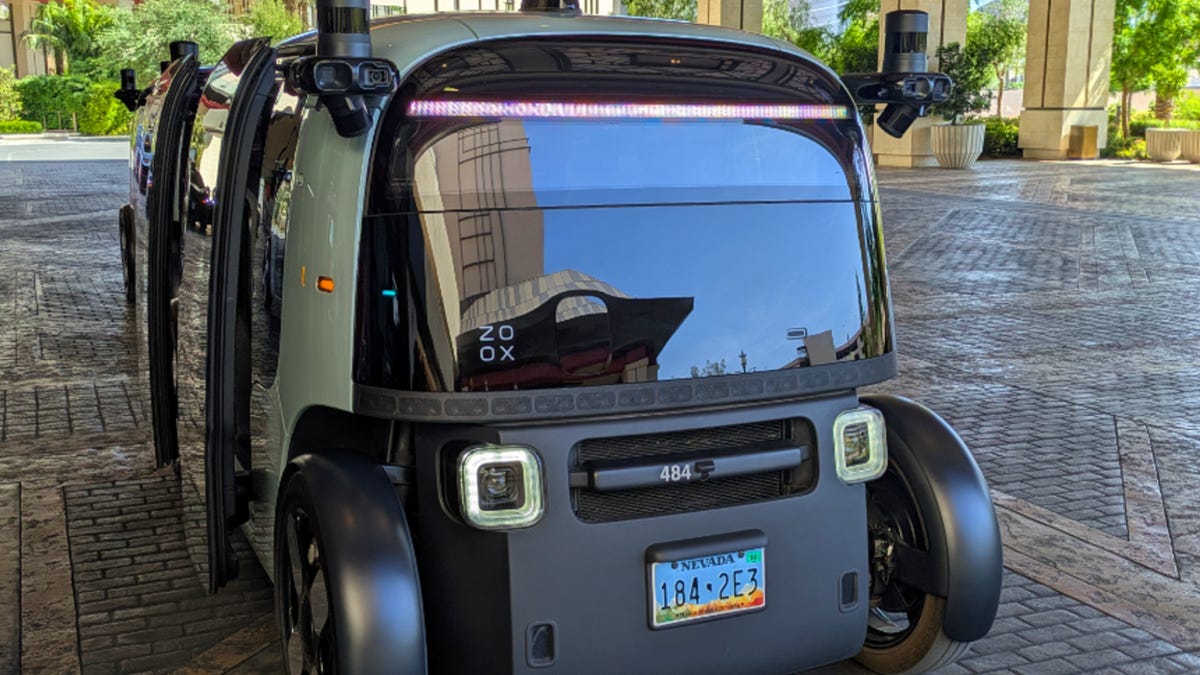
- Zoox vehicles feature a unique, passenger-focused carriage design without a steering wheel or pedals.
- The company recently redesigned its vehicles with an updated interior, improved seats, and a new communication system.
Zoox, an Amazon-owned autonomous robotaxi service, is gaining active users. The robotaxi service utilizes carriage-like bidirectional electric vehicles to shuttle passengers around Las Vegas and San Francisco.
The company has plans for expansion to other major American cities and it recently redesigned its self-driving EV. Here’s how the robotaxi service and its vehicles compare to Waymo.
Zoox is gaining in popularity, according to app data
Zoox “more than doubled its monthly active user base in the first half” says competitive intelligence platform Apptopia. The company’s market share increased from 15% to a whopping 25% while Tesla Robotaxi active user numbers have remained relatively stagnant in comparison.
Waymo is still in the lead in the great autonomous robotaxi race, but Zoox is challenging its market dominance in 2026, particularly in the second quarter, based on data from Apptopia.
Why is Zoox becoming more popular?
We tried Zoox for USA TODAY Cars to see what the ridesharing service had to offer and how its autonomous vehicles compared to rivals from other companies.
The experience felt safe and the cabin was extremely passenger-friendly. Its unique cabin design is perfect for conversation and relaxation. Additionally, Zoox vehicles feature touchscreen controls that allow riders to stream music and set the ambience of the interior.
Zoox is completely free to use (for the moment) once riders download the app and request a ride at pickup locations. It’s likely rising in popularity because riders are intrigued by the autonomous vehicles’ unique designs and are growing accustomed to seeing them operate safely on roads.
Unlike Waymo’s first-generation autonomous robotaxis, Zoox vehicles don’t feature a steering wheel or pedals, creating a rider-centric experience and completely shrugging off conventional car design norms.
Zoox’s vehicle refresh features several improvements
Zoox recently refreshed its autonomous vehicles so they could include several key improvements like a lighter color palette for the cabin so riders could spot possessions easily when exiting the vehicle.
The autonomous vehicles also have more padding and ergonomic curves on their seats, larger cupholders and a more vivid touchscreen.
The door interface now includes a new speaker and microphone for communication between riders and Zoox Support in the event of a complication or issue. These newly refreshed models will join the existing the fleet later in 2026.
Waymo’s challenges and progress in 2026
Waymo (a Google company) is a Zoox rival in the autonomous robotaxi business. Its vehicles have been under public scrutiny after several mishaps, but the company is still the biggest player in its industry.
Waymos operate internationally in major cities like London and Tokyo. They also operate in multiple states, including Massachusetts, New York, Pennsylvania, North Carolina, Tennessee, Georgia, Washington, Oregon, California and others. There are nearly 4,000 Waymo autonomous robotaxis across the U.S.
Autonomous vehicles from Waymo may have encountered some issues navigating around construction zones or responding to changes in weather and terrain, but the company is continuing to expand its reach in 2026.
Whether it’s Zoox or Waymo, you may find yourself being chauffeured around by a self-driving taxi sooner than you expected.
Charles Singh is an Autos Connect Reporter for The Tennessean, part of the USA TODAY Network. Contact him at [email protected].

GIPHY App Key not set. Please check settings