

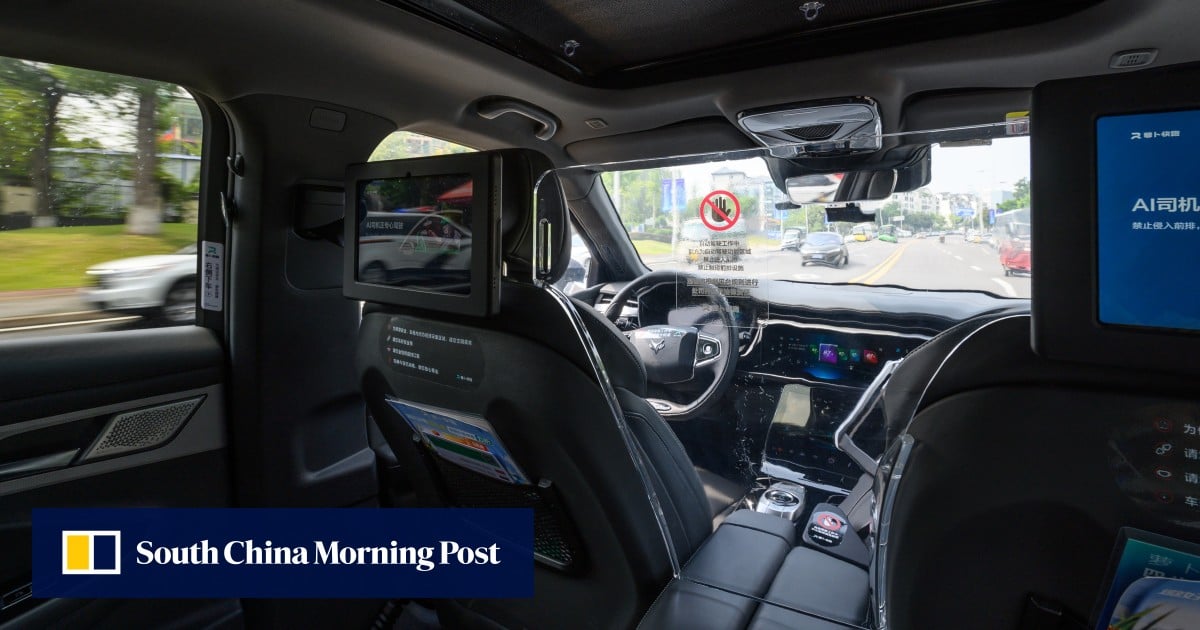
Summary: Hong Kong’s approach to AI-powered self-driving cars is cautious but committed, as public trials are underway. These autonomous vehicles rely on AI for data processing, real-time decision-making, and navigation. Baidu’s Apollo Go leads in China, deploying a fleet in over ten cities and conducting successful trials in Hong Kong. The RT6 model showcases advanced capabilities for urban environments. Additionally, trials are taking place at various locations, including Hong Kong International Airport, involving Pony.ai, which operates robotaxis in major Chinese cities and plans for expansion. Overall, Hong Kong is carefully integrating transformative technology into its transport system.
Hong Kong might not be racing to fill its streets with AI-powered self-driving cars with the alacrity of some other cities, but its cautious approach reflects a serious commitment to managing such transformative technology. Currently, the first public trials are under way, and they could soon become a familiar sight on our roads.
The list of companies operating AV fleets around the world is dizzyingly long. It includes most major carmakers as well as tech giants (Google’s Waymo is the leading player in the US, while Amazon’s Zoox has plans to expand its fleet and is racing to catch up) and specialist start-ups. Many of the latter are Chinese: the likes of DiDi, the nation’s leading ride-share operator; Hong Kong-based AutoX and Shenzhen-based DeepRoute.ai, which have both run trials in Shenzhen; and Guangzhou-based WeRide, which is running its third European trial, in Switzerland.
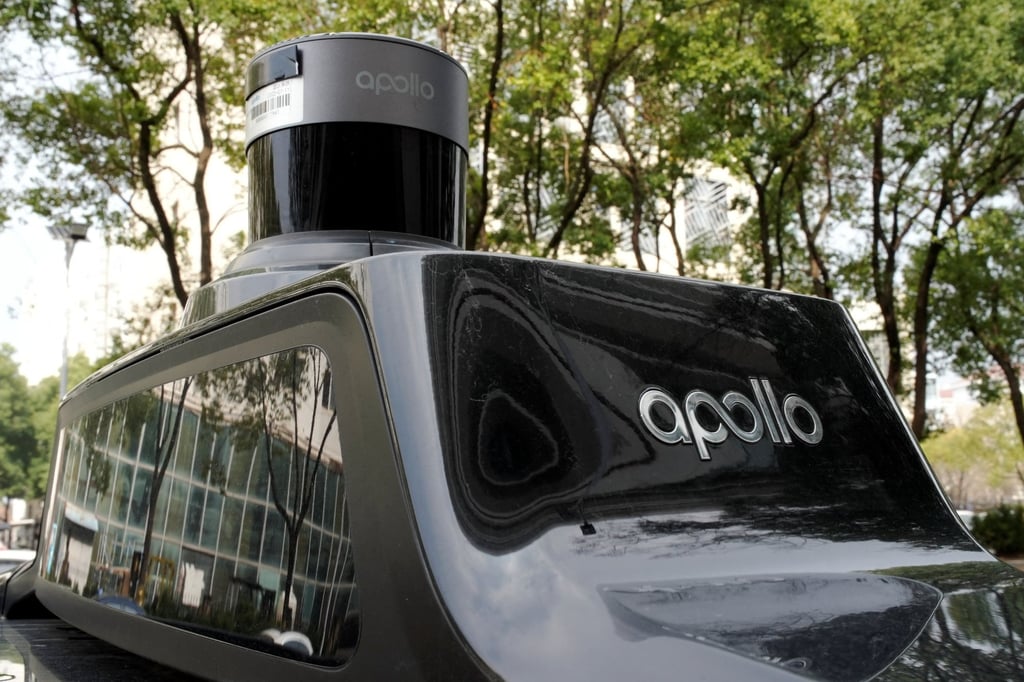
The most active, though, has been Baidu-owned Apollo Go, which operates in more than 10 Chinese cities, including a 500-car fleet introduced in Wuhan in 2024. The company is now testing 10 vehicles in 20 streets in Tung Chung.
“Since trials began in Hong Kong last year, Apollo Go has demonstrated consistently stable performance across various road scenarios, with a safe driving mileage exceeding 15,000 kilometres,” says a company spokesperson.
AI is at the heart of that, the spokesperson says, adding: “Apollo Go’s sixth-generation autonomous vehicle, the RT6, leverages the Apollo Autonomous Driving Foundation Model, laying the foundation for Apollo Go to navigate complex urban environments autonomously. Through the perception model, the system is capable of precise detection and tracking in challenging scenarios, enabling it to adeptly manage unpredictable situations and dynamic city road conditions, while the planning model equips the system with key capabilities like obstacle avoidance and prediction.”

Following last year’s launch of a new regulatory regime, there are also AV trials at Hong Kong Science Park, West Kowloon Cultural District and Hong Kong International Airport, among others. The latter, initially involving airport employees, is operated by Guangzhou- and Silicon Valley-based Pony.ai. The company currently operates about 300 robotaxis in Beijing, Shanghai, Guangzhou and Shenzhen, and plans to increase this to 1,000 in the second half of 2025, in collaboration with Toyota and Chinese car companies GAC and BAIC.