 Moderation Team
The company has partnerships with over 10 carmakers and level four autonomous vehicle firms including BYD, Geely and DiDi
Chinese thermal imaging company Raytron has outlined why it believes thermal imaging sensors and 4D millimetre-wave radar are essential for robotaxi deployment as the autonomous vehicle sector accelerates. Tesla is rolling out robotaxis in Austin, Texas, Momenta and Uber are planning level four testing in Munich by 2026, and major Chinese players including Huawei and XPENG have set multi-year roadmaps for level four commercialisation and mass production.
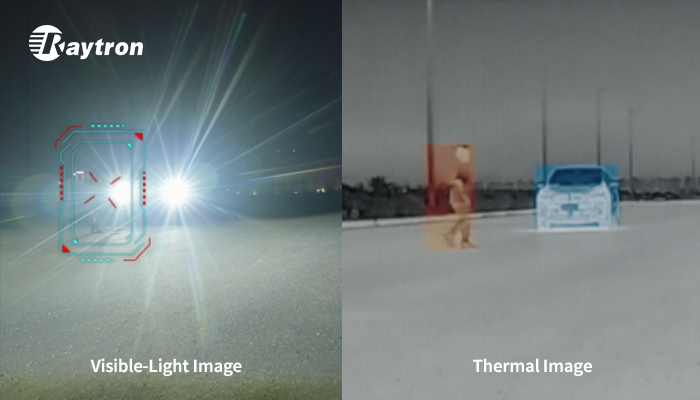
Raytron argues that visible-light cameras, lidar and conventional 3D millimetre-wave radar create perception gaps in adverse conditions. Visible-light cameras depend on ambient light and perform poorly at night, in tunnels or against strong glare. Lidar emits nanoscale to micron-scale laser beams that are scattered or absorbed by rain, fog and dust, leading to reduced range or sensor failure. Traditional 3D millimetre-wave radar has low vertical resolution and poor classification ability, struggling to identify static obstacles, low-lying objects or distinguish pedestrians from street signs.
Infrared thermal camera technology operates in the long-wave infrared spectrum of eight to 14 micrometres, independent of visible light, detecting heat emitted by objects to see through fog, haze and dust. This allows reliable detection of people, animals and cyclists based on thermal signatures. Raytron’s automotive long-wave infrared thermal imaging module Horus640-B delivers 640×512 resolution imagery with 12-micrometre pixel pitches. Integrated with algorithms, the system includes super-resolution that boosts image clarity to 1,280×1,024, artificial intelligence-powered detection for real-time identification of people, vehicles and animals, and time-to-collision calculation enabling early forward collision warning.
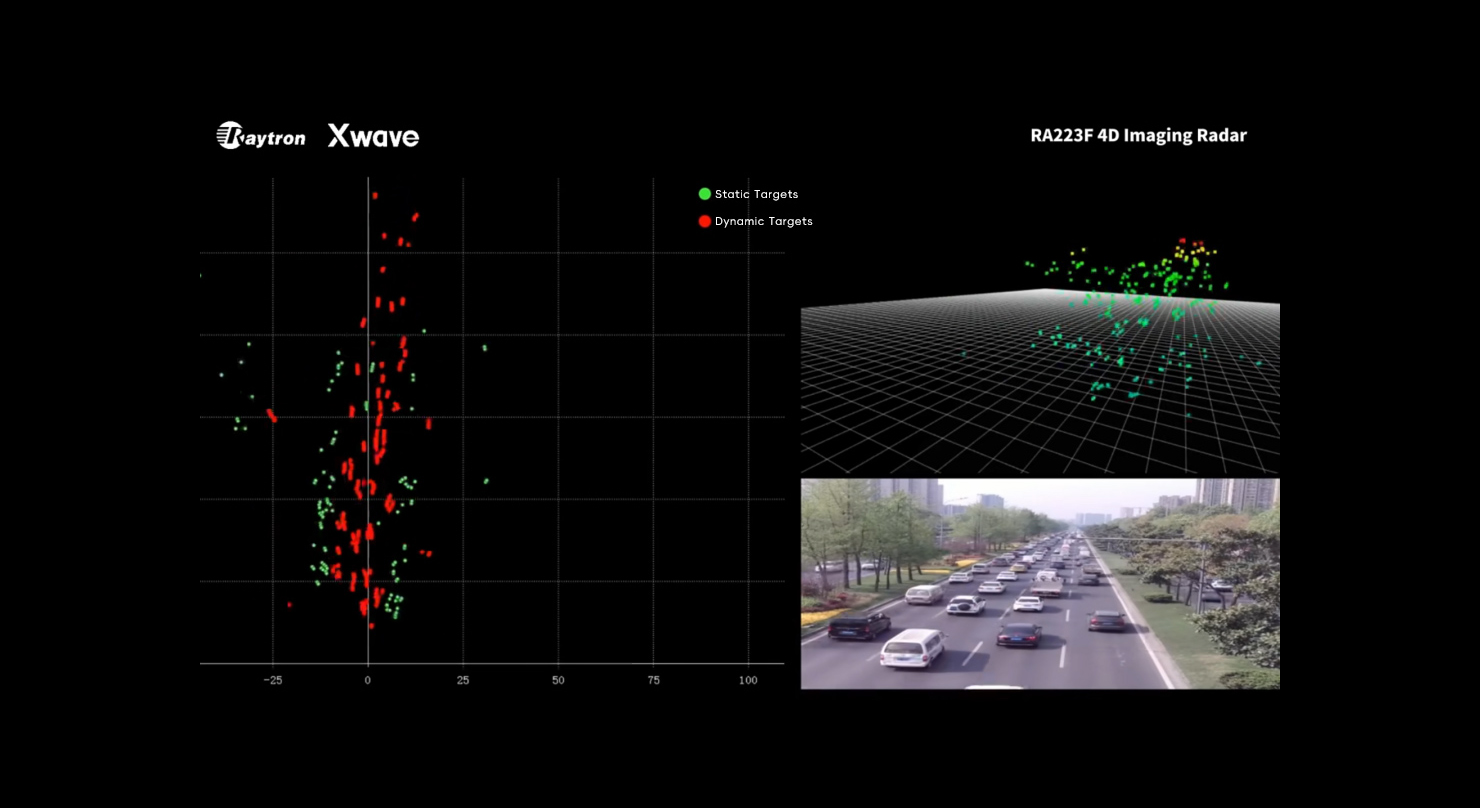
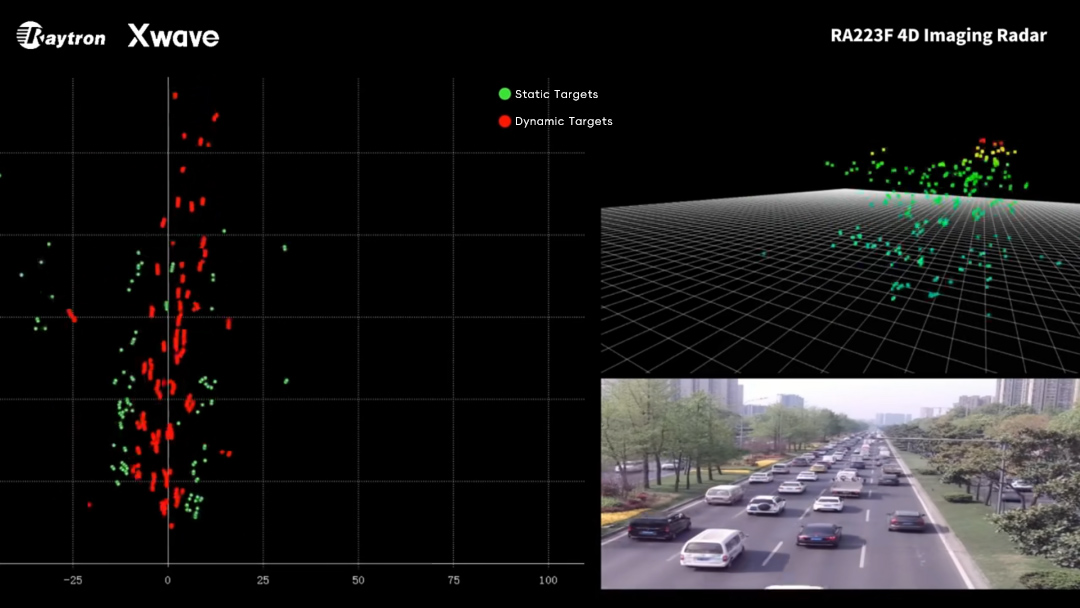
4D millimetre-wave radar provides dense point cloud data with precise range, velocity, azimuth and elevation measurements. Millimetre waves maintain reliable performance in rain, snow and fog where optical sensors fail. Raytron’s RA223F radar, already deployed in smart mining and port logistics, uses waveform designs to deliver high-density point clouds and high-precision target tracking. Its adaptive scene perception allows dynamic adjustment to complex road environments, with artificial intelligence enabling it to distinguish weak targets, identify pedestrians and detect low obstacles.
The company says multispectral sensor fusion creates a perception system with built-in redundancy. When a visible camera is affected by glare, the thermal camera detects pedestrians. When lidar is attenuated by fog, radar continues to map the environment. Raytron collaborates with over 10 carmakers and level four autonomous vehicle companies, including BYD, Geely, GAC, GWM and DiDi Autonomous Driving, integrating thermal systems into production models. The company has partnerships in commercial and special vehicles with firms including KargoBot, Zhizi Automobile, Breton, Lovol and Weichai, and in heavy-duty trucks with Plus AI, Waytous and Tage Idriver.
SOURCE: Raytron

GIPHY App Key not set. Please check settings