
 Moderation Team
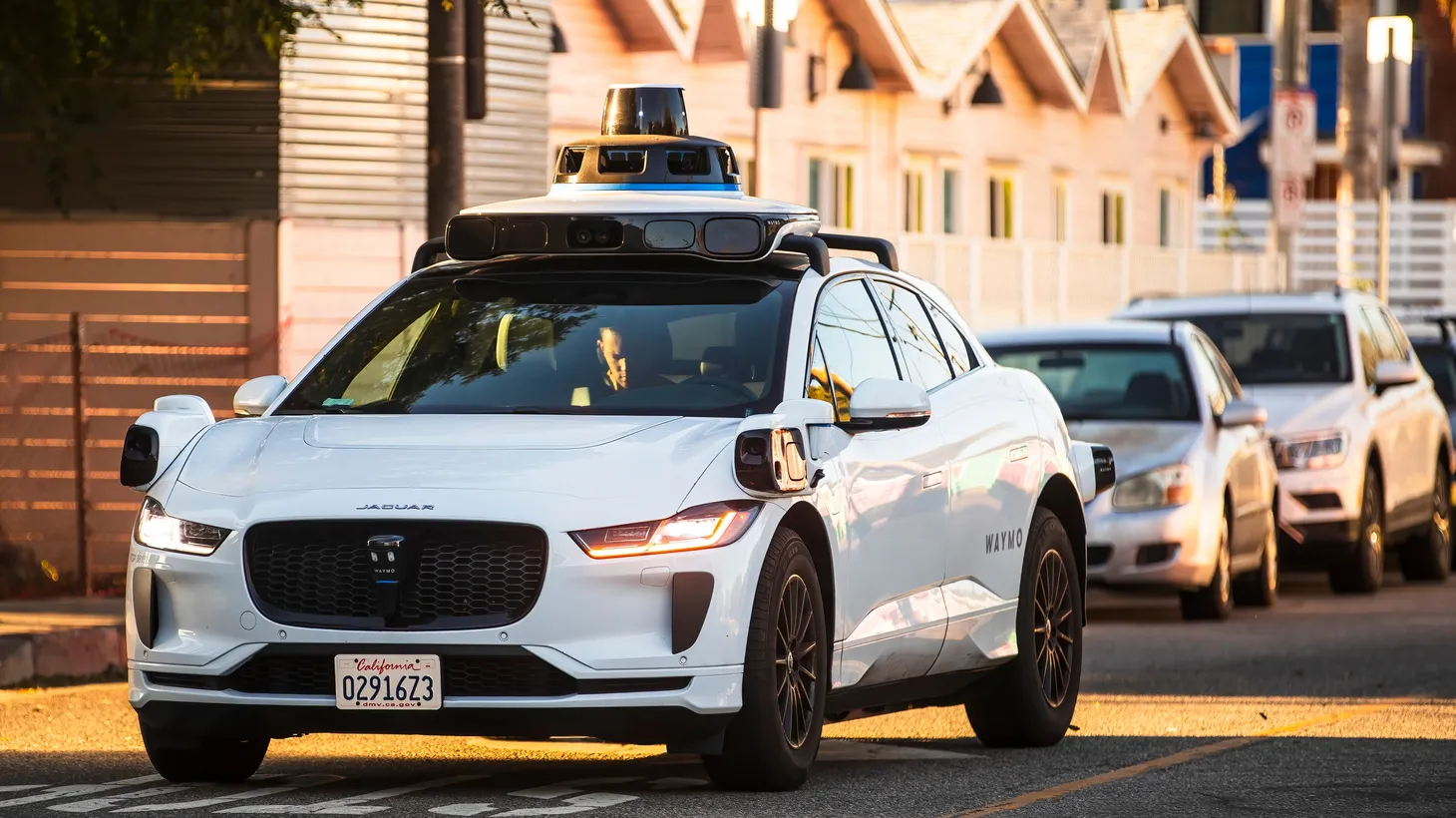
Summary: Waymo operates a commercial fleet of robo-taxis across 120 square miles in LA, offering safe rides in compliance with traffic laws, unlike traditional ride-share drivers who may pull over illegally. Although Waymo dominates LA’s autonomous vehicle market, competitors like Zoox and several Chinese firms are emerging. The main challenge for scalable growth is the high production cost of specialized vehicles, estimated at $300,000 each. While automation won’t replace all driving due to complex terrains, it may evolve, allowing less reliance on advanced technology. Public sentiment is generally positive, though some vandalism has occurred, highlighting a blend of enthusiasm and skepticism.
Waymo’s commercial fleet includes hundreds of robo-taxis that drive across 120 square miles of LA, from Santa Monica to Inglewood and West Hollywood. By now, you or someone you know has probably ridden in one, or at least kicked the tires on the idea. What lies ahead for the company, its rivals, human ride-share drivers, and customers?
William Riggs, professor at the University of San Francisco School of Management, and the director of the Autonomous Vehicles and the City Initiative, tells KCRW that a lot of research shows people feeling safe when using Waymo, that they won’t get harassed during a ride or stalked after a drop-off.
Sometimes the ride doesn’t end at your desired destination, however, because a curb or drop-off space wasn’t available, he notes. In California, an automated, commercial vehicle isn’t allowed to pull over at a curb cut because it’s considered private property, Riggs explains. “And a lot of consumers say, ‘Oh, well, my Uber/Lyft driver pulls over in that driveway.’ Well, that’s actually not a legal pullover. So … this vehicle always obeys the rules.”
Although in LA, the only company people see in the autonomous vehicle space is Waymo, that’s not the case in San Francisco. Three or four companies are testing there, Riggs says, including Amazon-owned Zoox, which will likely launch commercial service in SF and Las Vegas, and is considering coming to LA in early 2026.
Waymo’s major competitors right now aren’t American companies, but Chinese ones, such as WeRide, Pony, Baidu, and BYD, he says. However, Americans can’t even buy cars from those manufacturers.
“For political reasons, we’ve been really insulated from Chinese companies. … I definitely would own a BYD and not a Tesla, because the BYDs are the best electric cars in the world. But the Biden administration and now the Trump administration want us to buy U.S. electric vehicles. But if you live in China, you can buy a $20,000 EV, and we still have to buy $60,000 and $70,000 EVs.”
So what’s the biggest obstacle to Waymo being everywhere? The vehicles, each outfitted with thousands of complicated lasers known as lidar (light detection and ranging), are difficult and expensive to produce, Riggs says. He estimates that each could cost up to $300,000.
“Right now, even Waymo projects they’re only going to have about maybe 3,500 vehicles by the end of 2026. So if you can only scale your market to 3,500 vehicles, that means you can only be in a certain number of markets. So you can see there that your growth is hamstrung based on your number of vehicles.”
However, robots will get cheaper, and companies like Tesla will produce innovations allowing you to do more with software, he points out. That means less reliance on complex components and more availability of cars.
Riggs doesn’t see a fully automated future, though. He says people will still drive in extreme and unmappable conditions, such as in rural areas, tough-to-access mountains, and places with poor cellular or GPS coverage.
What about the people who do like driving? They’ll take their car around a track for so-called “analog driving” during weekends, Riggs predicts. “I think that’ll be maybe a really cool pastime for adults to do with their kids.”
As for people’s general attitudes about these types of cars and tech, Riggs says he hasn’t seen much angst against Waymo, but in the Bay Area, they’re convenient targets for silly graffiti, and some people have messed around with the sensors.
“I think what has happened … autonomous vehicle technology performs really well and much better than humans. It’s really the humans that get in the way in corporate infrastructure, and humans that get in the way in the company, and how we are talking about policy, and how we actually are running some of the companies that we have to figure out. But the tech … is pretty darn good.”


GIPHY App Key not set. Please check settings