
 Moderation Team
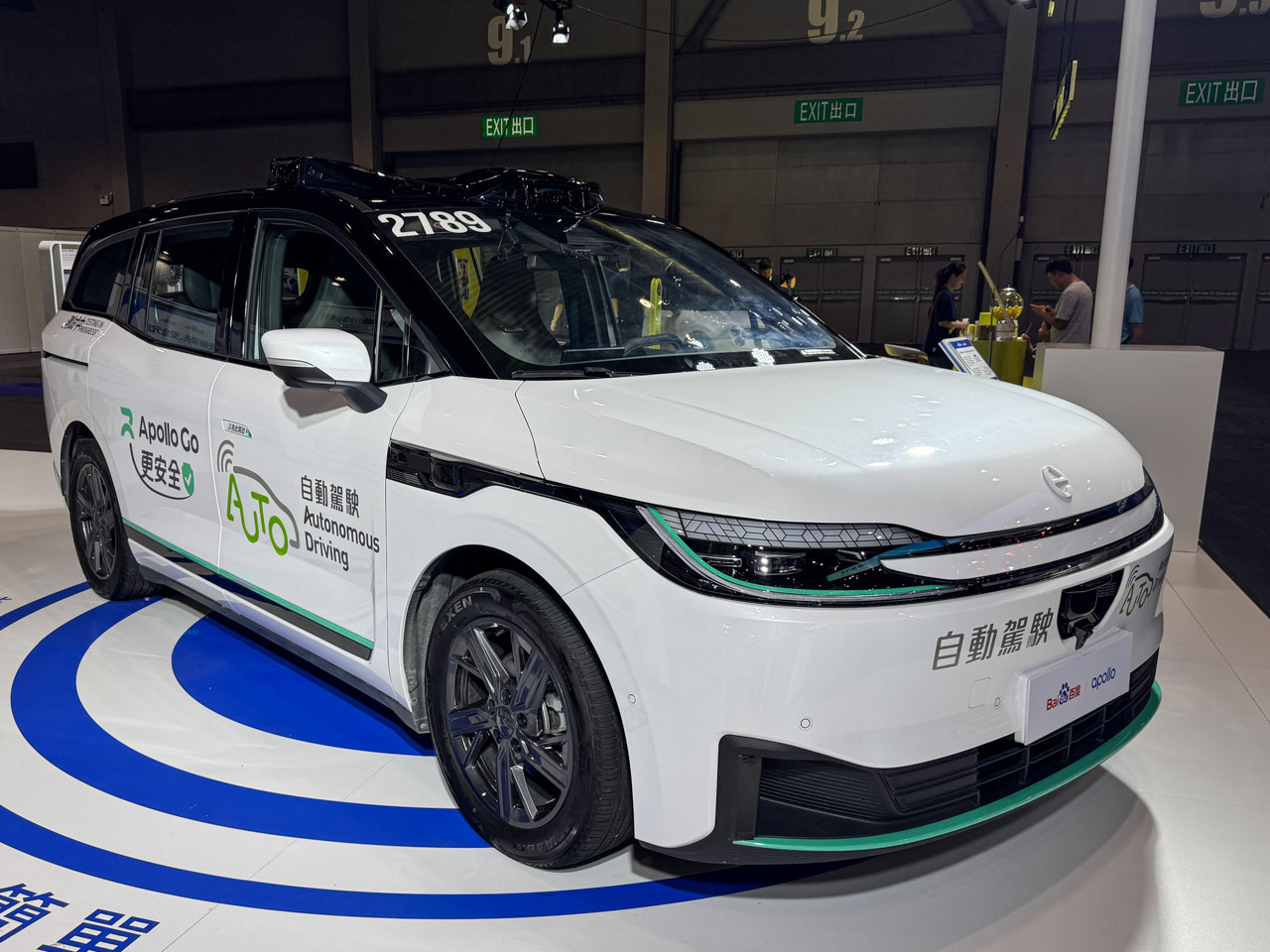
The Apollo RT6 is the latest robotaxi used by Baidu’s Apollo Go autonomous ride-hailing service. The AmiGo service using the RT6 recently received a special permit for Level 4 autonomous operations in Switzerland.
The vehicle was showcased at the Hong Kong Auto Expo, where we had a chance to see it and understand its capabilities, first-hand.


In Switzerland, the RT6 is used by AmiGo, the on-demand autonomous mobility service operated by Apollo Go and PostBus.
Open-road trials began on 1 June 2026 across an 80 square kilometre area in St. Gallen, Appenzell Ausserrhoden and Appenzell Innerrhoden, with a safety operator on board. The service has received a special permit from Switzerland’s Federal Roads Office for Level 4 autonomous operations.
A closed-group user trial is planned next, followed by initial rides without safety operators. Regular driverless operations are expected from early 2027, subject to safety and regulatory requirements being met in Europe.


The RT6 was developed on Baidu’s Apollo Galaxy platform. The vehicle costs roughly 200,000 yuan (£22,058) to produce. The RT6 is equipped with 38 sensors, including eight LiDAR units, six millimetre-wave radars, 12 ultrasonic sensors and 12 cameras.
Processing is handled by dual onboard computing units delivering a combined 1,200 TOPS of computing power.
The vehicle measures 4,760 mm long and has a 2,830 mm wheelbase. Power comes from a 110 kW electric motor paired with a swappable lithium iron phosphate (LFP) battery. The battery replacement takes around three minutes at dedicated swapping stations.


Inside, the RT6 features a removable steering wheel, a flat-floor cabin and electric sliding doors. Baidu says the interior can be configured for different passenger and cargo requirements.
Apollo Go’s robotaxi operations have grown rapidly in recent years. As of May 2026, the service operated in 27 cities worldwide and had accumulated more than 330 million kilometres of autonomous driving. More than 220 million kilometres were completed without human drivers.
During the first quarter of 2026, Apollo Go completed 3.2 million fully driverless trips. Weekly ride volumes exceeded 350,000 journeys in March, while cumulative public rides passed 22 million by April.

GIPHY App Key not set. Please check settings