
 Moderation Team
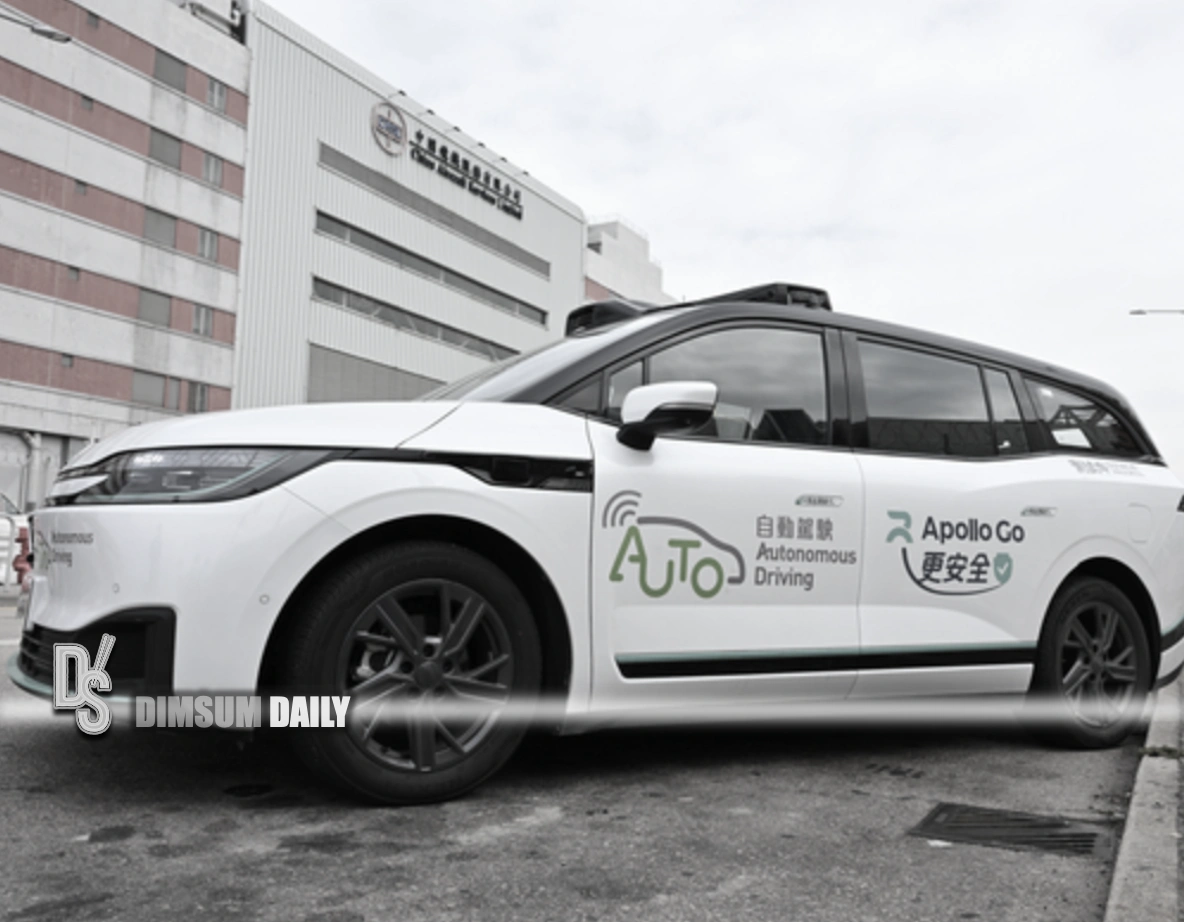
11th January 2026 – (Hong Kong) Hong Kong is taking significant strides in advancing autonomous driving technology, aiming to enhance traffic efficiency and improve road safety. Since 2024, the Transport Department has issued six pilot licences for autonomous vehicles, facilitating road tests in specific zones.
The first licence was awarded to an established intelligent driving technology firm, known for over a decade of research and development in the field. This company has implemented its cutting-edge technology across 22 cities worldwide, including locations in mainland China and the United Arab Emirates.
After receiving its licence in November 2024, the company initiated testing in areas such as North Lantau, Cyberport, and the Kai Tak Development Area. Employing advanced vehicle-mounted sensors, it has successfully gathered data from over 80,000 kilometres of safe driving.
Last month marked the commencement of cross-district trials in Kwun Tong and Kowloon City, where the high concentration of vehicles and pedestrians posed unique challenges. Despite these conditions, the autonomous vehicles maintained consistent speeds, efficiently signalling, safely overtaking, and executing smooth U-turns on narrow roads, all aided by sophisticated algorithms.
During these tests, a backup driver remains in the vehicle, ready to take control if necessary, but typically keeps their hands off the wheel during standard operations.
To adapt to the specific demands of Hong Kong’s complex traffic environment, the system has undergone optimisation. Nick Lau, the company’s Project Development Manager, noted that as one of the world’s most densely populated urban areas, Hong Kong presents distinctive road scenarios. The system is tailored to navigate local traffic regulations effectively.
“Hong Kong follows a right-hand-drive system, necessitating precise adjustments for actions like stopping, overtaking, and lane changes. The unique roundabouts here differ from those found elsewhere, requiring our system to learn and adapt to stringent traffic protocols to mitigate any risks,” Mr Lau explained.
He also pointed out the difficulties posed by unconventional traffic signals and temporary signs, including manually operated “Stop” and “Go” indicators, which complicate recognition.
“Improving the accuracy of our machine-learning models in these contexts is ongoing,” he added.
Ken Tang, an Electrical & Mechanical Engineer from the Transport Department, confirmed the smooth progression of testing, with all vehicles demonstrating stable performance.
The trials in North Lantau have led to notable technological advancements across four areas: increasing the number of simultaneously operating vehicles from one to ten, conducting designated passenger-carrying tests, expanding testing locations to include more complex highways and communities, and achieving higher driving speeds.
“With these improvements, routes for the autonomous vehicles have broadened beyond Airport Island, enabling operation at speeds of up to 50 km/h, contingent on the speed limits of the test sections,” he stated. Overall, the Transport Department has introduced six pilot licences covering 62 autonomous private cars and light buses. Plans are in place to progressively implement driverless operations with only remote operators overseeing the process.


GIPHY App Key not set. Please check settings