 Moderation Team
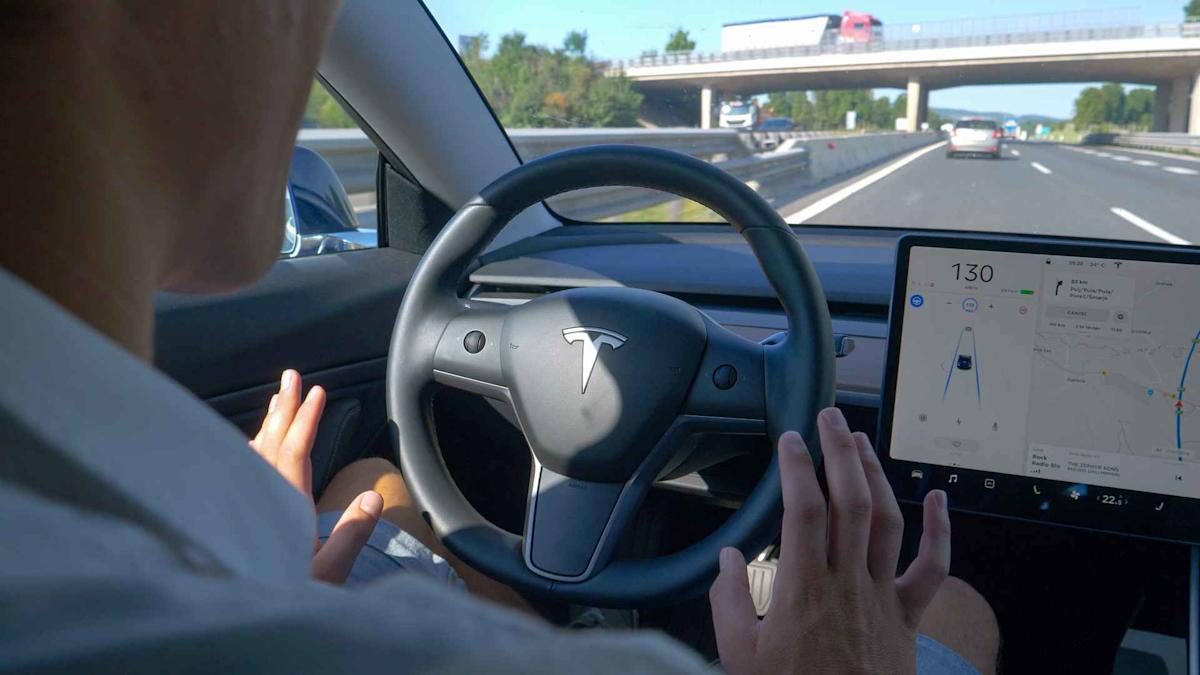
Tesla is already widely known for electric cars, but if its full self-driving “robotaxi” ambitions succeed, the financial upside could be enormous. Of course, that’s still a big if.
Though Tesla stock has held its value, investors hoping to pour more money in should understand what this potential means and what the risks are.
Tesla stopped being just an electric vehicle company some time ago. It expanded into solar energy, AI-powered robotics and advanced software, and it earns a significant chunk of revenue from selling regulatory credits to other automakers. The idea that it could branch into even more futuristic arenas (Elon Musk has hinted at a flying car) is consistent with the company’s trajectory.
If Tesla manages to corner the autonomous vehicle market, its revenue, and by extension, its valuation, could soar.
Mega-investor Cathie Wood of Ark Invest is confident that Tesla could dominate the autonomous car space currently led by Alphabet’s Waymo, Benzinga reported. Because Tesla already has the manufacturing infrastructure to produce vehicles at scale, it may have an advantage in building a robotaxi fleet quickly.
Industry forecasts predict that autonomous vehicle sales could exceed 41 million units by 2029 and reach 58 million units by 2030. Even the mere mention of Tesla’s robotaxi plans caused its stock to jump nearly 10% in July 2025, according to Reuters. If the company successfully rolls out a large, functioning fleet, the market excitement could persist beyond its release.
Some Wall Street analysts believe self-driving success could radically expand Tesla’s market cap. Ark Invest projects Tesla could be worth as much as $5.7 trillion by 2029 if its robotaxi business scales globally, which is nearly five times its current valuation. Even conservative models, like Morgan Stanley’s, estimate that a self-driving fleet could add $500 billion to $1 trillion to Tesla’s value over time. Still, these forecasts depend on a number of things going right.
For Tesla’s robotaxi dream to pay off, several key factors must align: regulatory approval, self-driving software must improve to human-level reaction time and operating costs need to make the service profitable and affordable for riders.
Analysts at Goldman Sachs estimate current robotaxi operating costs, which include depreciation, insurance and remote monitoring, at around $1.34 per mile, with Tesla’s target of 40 cents per mile unlikely before 2040. Meanwhile, Electrek reported that Tesla’s Full Self-Driving (FSD) system has shown “no real improvement in miles between disengagement.” And Tesla’s core business has faced challenges, with vehicle deliveries declining 13% year-over-year in Q1 2025, according to CBT News.

GIPHY App Key not set. Please check settings