
 Moderation Team
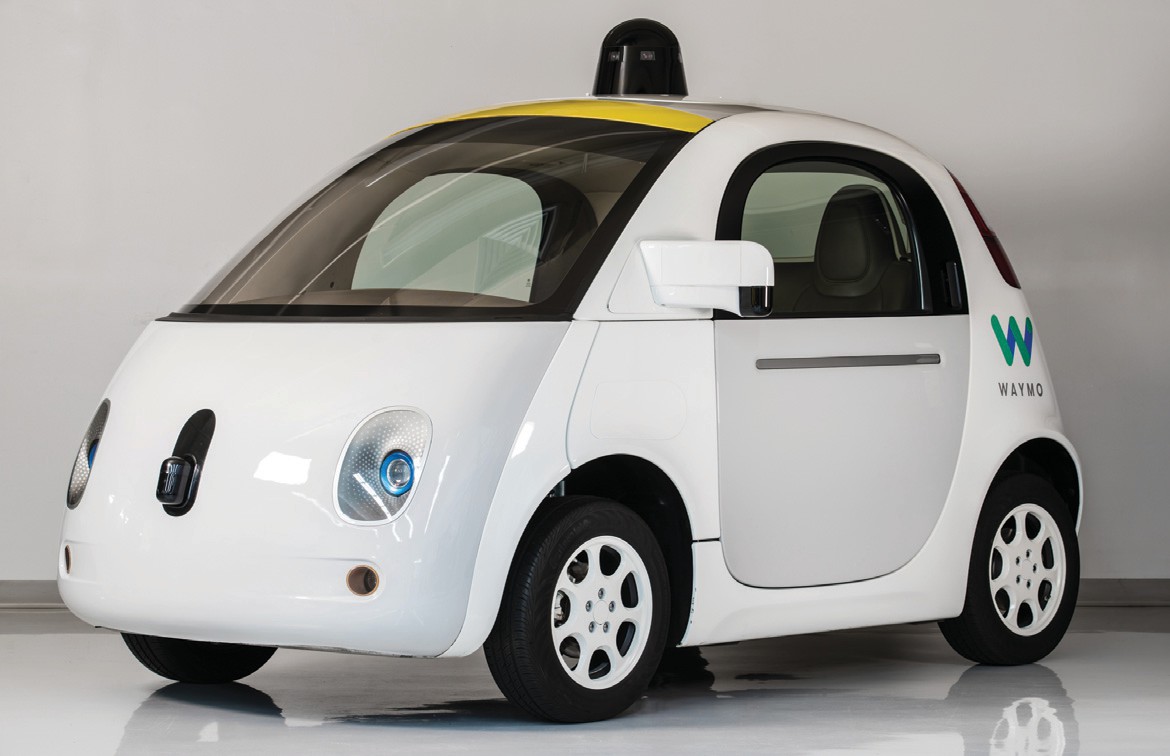
The first self-driving passenger vehicle to drive on public roads, Waymo’s Firefly, joins over 100 of some of the most significant cars in history at the Revs Institute in Naples. The Firefly completed the first-ever autonomous trip on public roads in Austin, Texas, in October 2015.
“The Firefly is an exciting example of driverless technology, a possible way forward in transforming personal transportation as we know it. And it is the first such attempt,” says museum founder Miles Collier.
For Waymo, the donation of this experimental car represents an important step in its 10-year journey prototyping the World’s Most Experienced Driver.
“We’re excited to partner with the Revs Institute to share the journey of self-driving technology with curious audiences of all ages, and inspire tomorrow’s mobility visionaries, engineers, and designers,” says YooJung Ahn, Waymo’s head of design. “I’m thrilled to see the Firefly continue on as a self-driving icon, the first fully autonomous passenger vehicle on public roads.”

The exhibit opens to visitors at Revs Institute, 2500 S. Horseshoe Drive, on Saturday, Feb. 22. For more information, including hours, tour times and ticket prices, visit www.revsinstitute.org or call 239-687-REVS. Advance reservation only; walk-up visitors cannot be accommodated.
Source: naples.floridaweekly.com

GIPHY App Key not set. Please check settings