 Moderation Team
Autonomous-vehicle company Waymo is now authorized to offer driverless rides in San Francisco and several other Bay Area cities.
The National Highway Traffic Safety Administration requires collision reports from AV companies and has issued an order on the passenger safety of the vehicles. But otherwise, the federal government has largely left the decisions around autonomous vehicles up to the states.
That leaves some holes in the regulatory environment, says Susan Shaheen, co-director of the UC Berkeley Transportation Sustainability Research Center. Without technical and safety requirements from the federal government “then there is a lack of clarity about how the states relate and how the regions or the locals relate to the specific state policies,” she said.
These states, at the forefront of the field, offer two distinct test cases of AV policy development — a side of the industry that simulation miles don’t cover.
Arizona’s approach As a part of the state’s 2015 “tech boom,” former Gov. Doug Ducey adopted a Wild-West-meets-welcome-arms approach to AVs: few regulations and generous tax incentives. That bargain, coupled with consistently clear skies and flat, spacious roads, made Arizona an ideal place for self-driving cars to rack up training miles. There are 11 companies listed as actively testing on the Arizona Department of Transportation’s website, including both Waymo and Cruise.
In the initial executive order, issued by Ducey, a Self-Driving Vehicle Oversight Committee was formed and granted the power to decide on further regulations. Publicly available minutes from the committee recount one meeting in August 2016. The confab lasted 42 minutes. The Arizona Department of Transportation director presented a PowerPoint to the body titled “Autonomous Vehicles 101.” The committee had no other documented meetings.
Self-driving cars are subjected to basically the same regulations as ones operated by a human: have your papers in order, pull over if something malfunctions and follow the rules of the road. No data reporting standards are codified in the state law relating to autonomous vehicles. In 2018, Ducey expanded regulations so that vehicles without drivers would be required to register with the state — while also expanding permission to allow vehicles without back-up drivers.
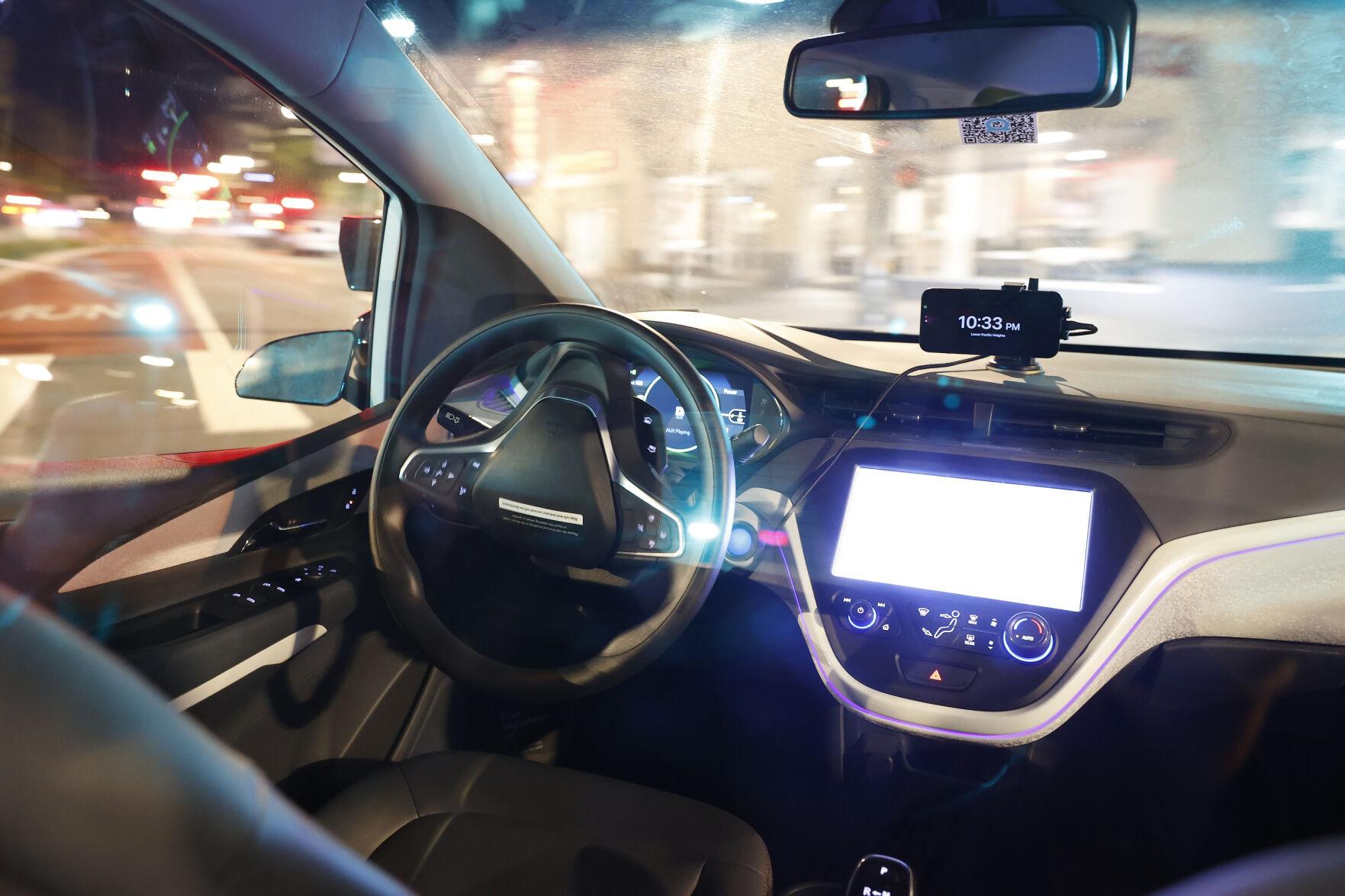
In 2018, Arizona residents made national headlines for their vigilante violence against Waymo vans and other autonomous vehicles (AVs) that had been operating in the state since 2016. “Wielding Rocks and Knives, Arizonans Attack Self-Driving Cars,” the New York Times reported at the time, “with city officials hearing complaints about everything from safety to possible job losses.”
Three years later, the Phoenix New Times published another report on the vehicles, citing behavior that may sound familiar to San Franciscans: vehicles with erratic stops and a company with a preference for confidentiality.
In 2020, Waymo began offering a fully autonomous ride-share service in Phoenix. This year, you can book one of their Waymo One rides to the Super Bowl.
California’s approach
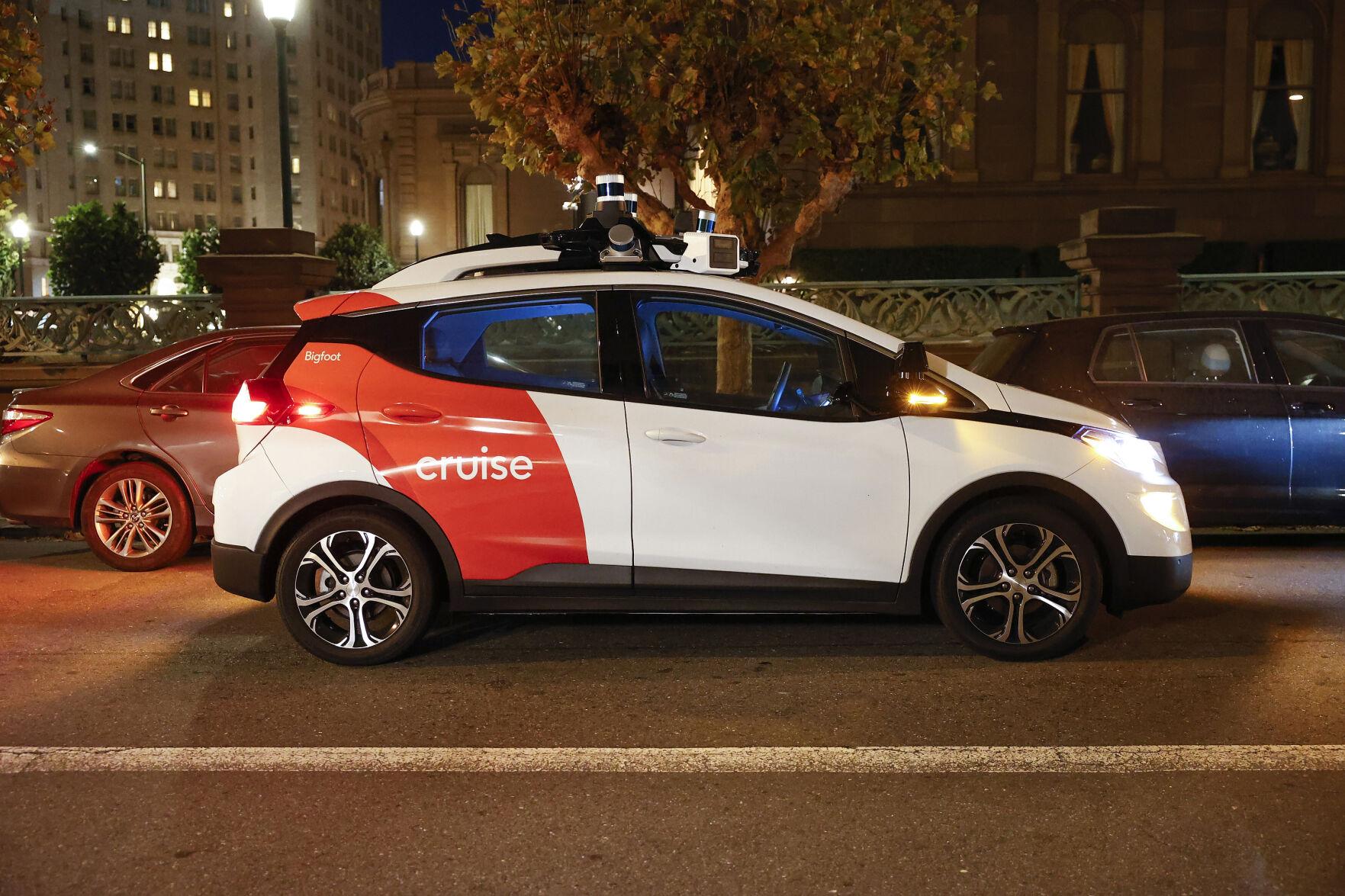
California began regulating autonomous vehicles in 2012, according to the state DMV. The regulations are more rigorous than those in the state next door.
“Regulators across the country are looking to California, because California is kind of the gold standard on how to deploy an agile autonomous vehicle policy ecosystem,” said William Riggs, director of UCSF’s Autonomous Vehicles and the City Initiative.
The state has seen its fair share of miles and vehicles on the road. In 2022, 43 companies held permits to test autonomous vehicles, according to the DMV. In this competitive space, the tech is developing quickly, said Riggs. And that progress is bolstered by what Riggs calls “a policy ecosystem that allows” for tight reporting standards.
Testing of autonomous vehicles is monitored and regulated by the permit-issuing DMV, while all passenger-related operations must go through the California Public Utilities Commission. The CPUC has outlined the following goals in their regulatory approach:
3) improve transportation options for all, particularly for disadvantaged communities and low-income communities
4) reduce greenhouse gas emissions, criteria air pollutants, and toxic air contaminants, particularly in disadvantaged communities
How does S.F. fit in?
The City submitted two complaint letters to the CPUC in late January in response to requests from both Cruise and Waymo to expand their commercial operations across all or nearly all of San Francisco’s 49 square miles. They hold that such rapid expansion “is unreasonable.”
“The Commission’s existing data collection requirements, public disclosure and analysis do not provide the information necessary to assess how automated driving technology is actually affecting the safety, operations, equity and accessibility of the City’s transportation network,” city representatives wrote in one of their complaint letters, “as distinct from how the industry hopes and asserts that it will,” the letter continued.
“If you go up to the state level or the national level, that’s not where the experience is happening. What is happening is at the curb or is happening on the local street,” said Shaheen.
The California DMV reported that more than 4 million miles had been driven by test autonomous vehicles with a safety driver on state roads in 2021, with much of it taking place in San Francisco. In an earnings call in October 2022, Cruise CEO Kyle Vogt stated that Cruise had completed “well over 400,000 fully driverless miles” in The City, The Examiner reported at the time.
Cruise is currently the only AV company in The City allowed to charge for driverless rides. In Waymo’s last Advice Letter to the CPUC, the company asked to be granted commercial status as well. Waymo has been offering trusted tester rides in San Francisco — with backup drivers — since 2021. In March 2022, the company offered entirely autonomous rides to employees in S.F. Now, “select public users” can access autonomous rides through the Waymo One App.
“A lot of the reasons that a lot of these vehicles are wanting to operate in San Francisco has to do with the rich kind of geographic as well as types of driving experiences that the AI can learn in a place like San Francisco,” he said.
The conditions test-case vehicles confront in The City provide more dynamic insights, more quickly, than the same number of miles might in a relatively flat, rural area.
In response to the complaint letters, Waymo spokesperson Katherine Barna said in a statement to The Examiner, “These letters are a standard part of the regulatory process, and we have long appreciated a healthy dialogue with city officials and government agencies in California.”
Source: www.sfexaminer.com


GIPHY App Key not set. Please check settings